Trim Painting in Calgary
Baseboards, casings, door frames and crown moulding — sanded, filled, caulked and cut in by hand, which is the only way trim ever looks right.
Get a free painting estimate
Tell us what you need and we’ll come back to you with a written, itemised quote. No obligation.
House Painters Calgary paints interior trim for homeowners across Calgary, Alberta — baseboards, door frames, window casings, crown moulding and doors. It is the most labour-intensive interior painting there is relative to the area it covers, and the most visible when it is done well.
What counts as trim
Baseboards, door frames and casings, window surrounds, crown moulding, chair rails and the doors themselves. It is the woodwork that frames every opening and every edge in a room, and it does more to make a space look finished — or unfinished — than the wall colour does.
Trim is also where a room shows its age fastest. It gets kicked, scuffed by furniture and vacuum cleaners, knocked by doors, and touched constantly around handles and frames. Original enamel in older Calgary homes yellows noticeably over time, particularly white oil-based finishes, which drift toward cream in a way that is only obvious once something genuinely white is put next to it.
Repainting trim on its own is a legitimate project. It is common to freshen the trim and doors while leaving wall colour alone, and it makes a bigger difference than most people expect for the money.
Preparation is nearly all of the job
Scuff-sanding old gloss. This is the step that decides whether the work lasts. Existing semi-gloss and oil enamel surfaces are sealed and slick by design, and a new coat has nothing to grip. Sanding gives the primer a mechanical key. Skip it and the fresh paint peels off in sheets the first time a vacuum clips a baseboard — which is the single most common trim failure there is.
Filling nail holes and dents. Trim carries decades of small damage. Every hole and dent gets filled and sanded flat, and on a length of baseboard in raking light the difference between filled and not is obvious.
Caulking the gaps. The thin dark shadow line where baseboard meets wall, and where casing meets drywall, is what makes a room read as unfinished even when the paint itself is fine. Sealing those gaps costs very little and changes how the whole room looks. It is the clearest single difference between a professional job and a quick one.
Priming appropriately. Bare wood needs a primer that seals the grain and blocks tannin — on knotty pine especially, unblocked knots bleed brown through a white topcoat within months. Previously painted trim in sound condition needs spot priming over filler and any sanded-back areas rather than a full prime coat.
Trim gone yellow or chipped?
It is often the highest-impact thing you can do to a room without changing the wall colour.
How trim work runs
Slower per square foot than walls, and almost entirely hand work.
-
Assessment
We count doors, windows and runs of baseboard, check the existing finish and identify any bare or damaged wood.
-
Protection
Floors covered and walls masked where trim meets them, furniture moved clear of the work.
-
Sanding
Existing gloss and enamel scuff-sanded so the new coat has something to grip.
-
Filling
Nail holes, dents and old fixing points filled and sanded flat.
-
Caulking
Gaps where trim meets wall sealed, which is what makes the finished lines read clean.
-
Priming
Bare wood sealed and knots blocked; filler and sanded areas spot primed.
-
Finish coats
Two coats of enamel, cut in by hand, with proper dry time between them.
Brush or spray, and which sheen
Brushing in an occupied home
Usually the sensible choice. A quality enamel laid off properly with a good brush gives an excellent finish, and it avoids the extensive masking that spraying trim safely requires. In a furnished house, the containment needed to spray baseboards and casings frequently costs more than the finish difference is worth.
Spraying in an empty space
Where a property is empty, newly built, or the trim is off and can be finished flat, spraying gives the hardest and smoothest result — closer to a factory finish than a brush will reach. On doors in particular the difference is visible.
Sheen
Semi-gloss is standard. It is durable, it wipes clean, and the sheen contrast against the wall is what makes trim read as a deliberate separate element rather than disappearing into the room. Satin is a softer alternative that suits some interiors and hides surface irregularity better, at a small cost in washability. Flat trim looks calm in photographs and does not survive contact with real life.
Timeline and disruption
Trim takes longer than people expect relative to how little surface it covers. A single room of baseboards, casings and one door is usually a day including preparation. A whole-house trim and door package runs to several days, and doors add time out of proportion to their area because each one is coated on both faces and all edges, with enamel generally wanting longer between coats than wall paint.
The house stays liveable throughout. Doors are the exception — a door being finished cannot be closed, so we sequence them so bedrooms and bathrooms are not all out of action at once. Where trim work is part of a wider repaint, see interior painting for how the two are scheduled together.
What affects the price
Quoted by count and run rather than by floor area, because that is what actually drives the labour.
| What we look at | Why it changes the number |
|---|---|
| Number of doors | The biggest single driver. Each door is coated on both faces and all edges, and each has a frame and casing around it. |
| Runs of baseboard | Measured by length rather than by room area, since that is what the labour follows. |
| Windows and casings | Each opening is a set of hand-cut edges regardless of how small the window is. |
| Crown moulding | Profiled, worked overhead, and slower than any other trim in the house. |
| Condition of the existing finish | Sound enamel needs scuff-sanding. Chipped, peeling or heavily damaged trim needs taking back first. |
| Bare versus previously painted | Bare wood needs full priming and knot blocking; sound painted trim needs spot priming only. |
| Brush or spray | Spraying suits empty properties; in an occupied home the masking required often outweighs the benefit. |
Doing trim alongside a wall repaint is better value than doing it separately — the protection, masking and setup are shared across both.
Get a trim painting estimate
Tell us roughly how many rooms and doors are involved — that is what drives the number on trim work.
Explore Our Calgary Painting Services
Trim is usually done alongside walls and ceilings. Here is everything we cover in Calgary.
-

Interior Painting
Walls, ceilings, trim, doors and basements painted with full masking and careful prep — including work in occupied homes.
Interior painting in Calgary -
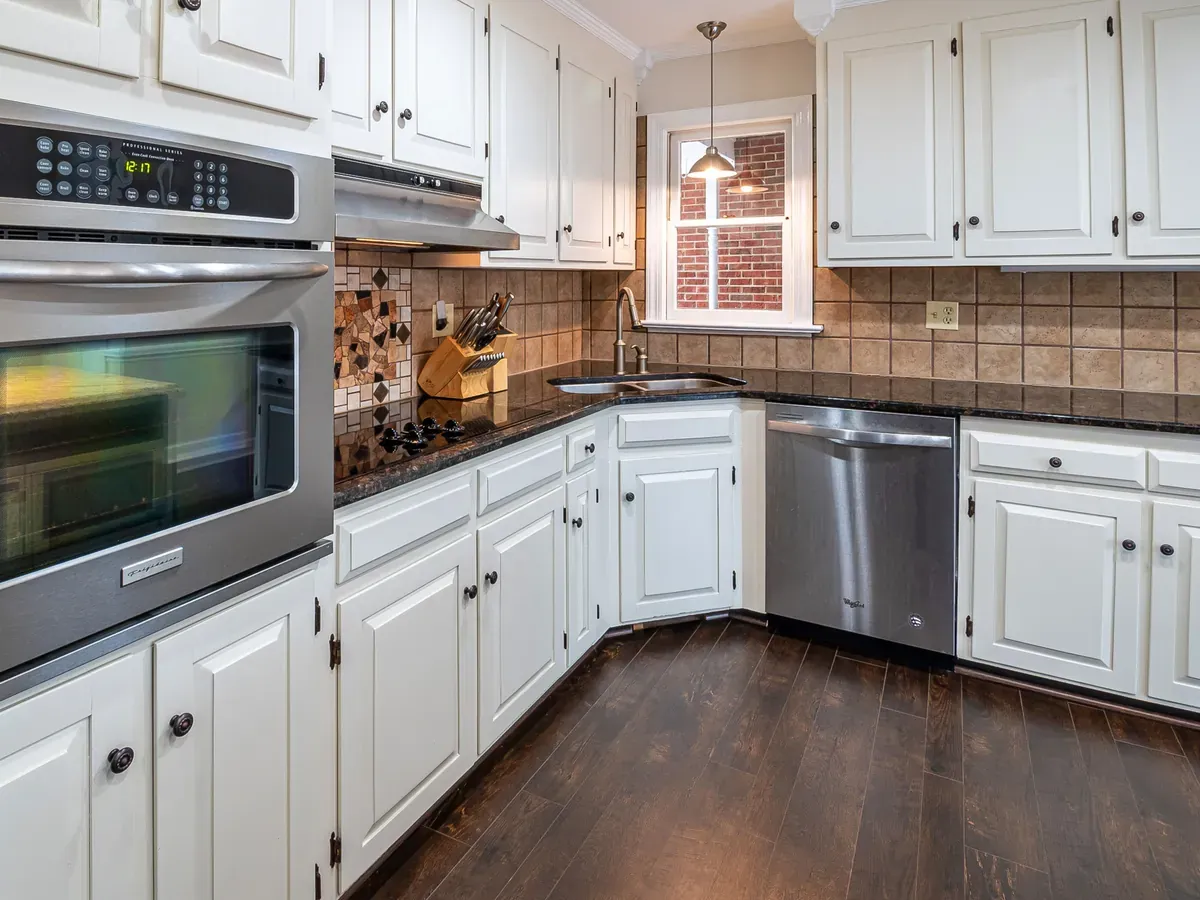
Cabinet Painting
Kitchen cabinet painting and refinishing — degreased, sanded, primed and sprayed for a hard, even factory-style finish.
Kitchen cabinet painting and refinishing -
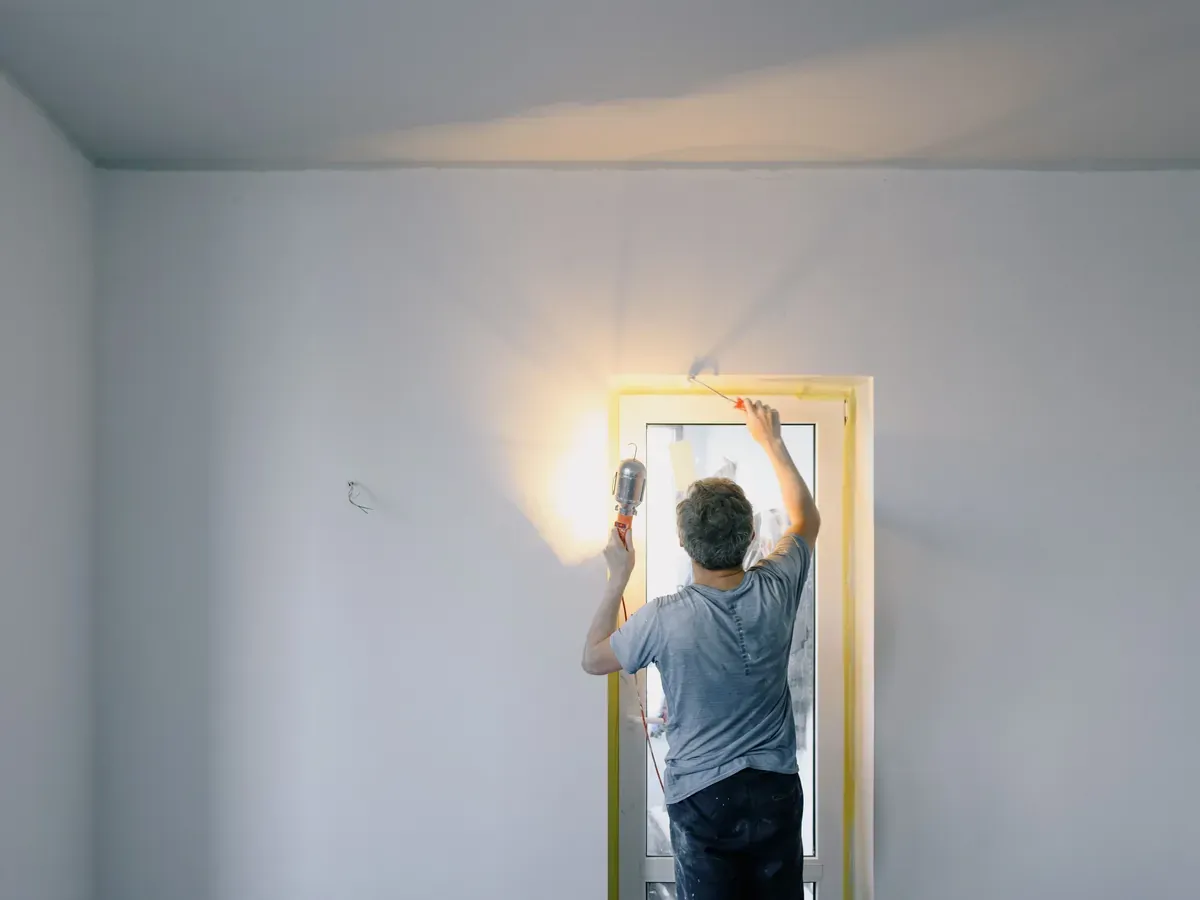
Ceiling Painting
Flat, textured and stipple ceilings repainted with stain blocking where needed, and everything below fully protected.
Ceiling painting in Calgary -
Popcorn Ceiling Removal
Textured and stipple ceilings tested, removed, skim-coated flat and repainted — with full dust containment throughout.
Popcorn ceiling removal in Calgary -
Kitchen Painting
Kitchen walls, ceilings and trim degreased and finished in scrubbable coatings built for heat, steam and daily cleaning.
Kitchen wall and ceiling painting -
Basement Painting
Finished and unfinished basements painted — walls, ceilings and trim, with colour and sheen chosen for low light.
Basement painting in Calgary -
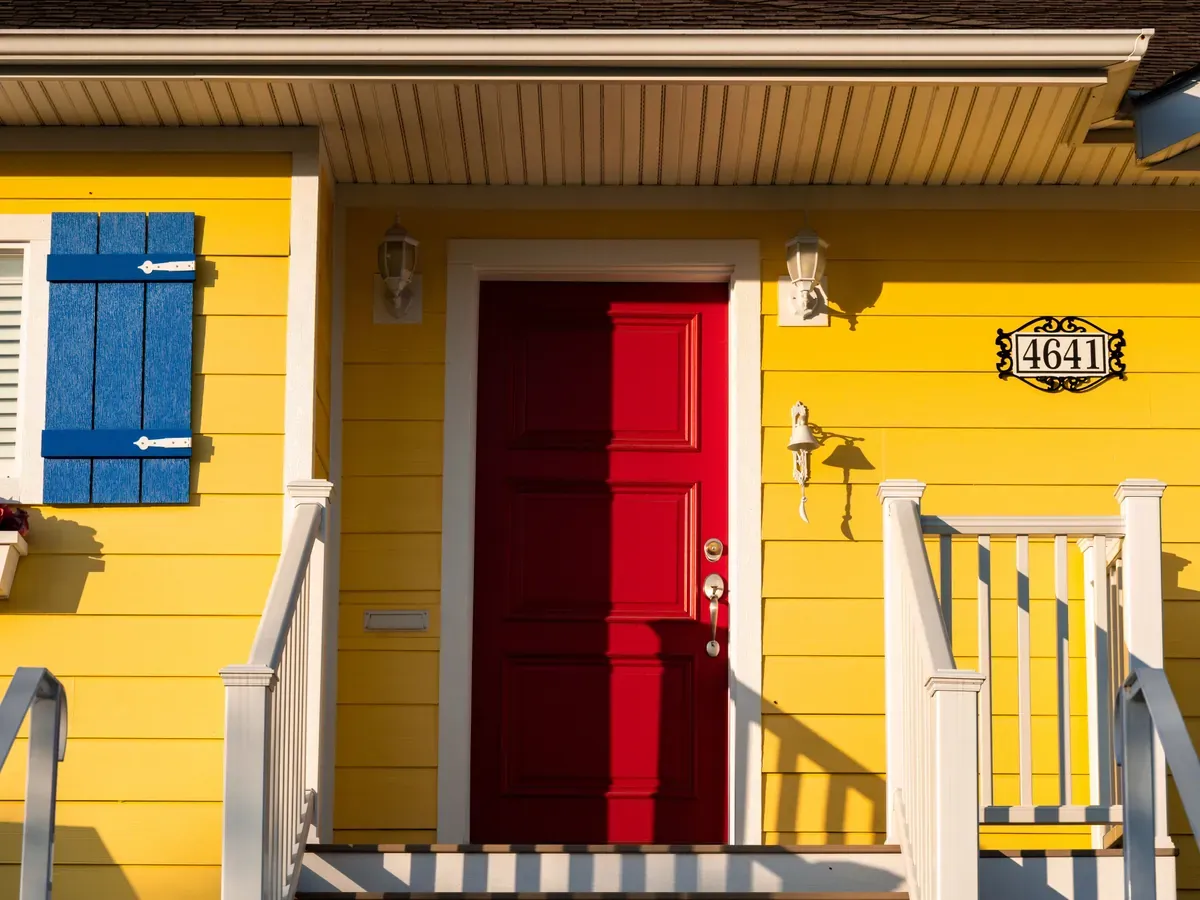
Exterior Painting
Stucco, siding, trim, fascia and doors, scheduled around Calgary weather so coatings cure the way they are meant to.
Exterior painting for Calgary homes -
Stucco Painting
Stucco exteriors washed, cracks repaired and coated in breathable, flexible products chosen for freeze-thaw and Alberta UV.
Stucco painting in Calgary -
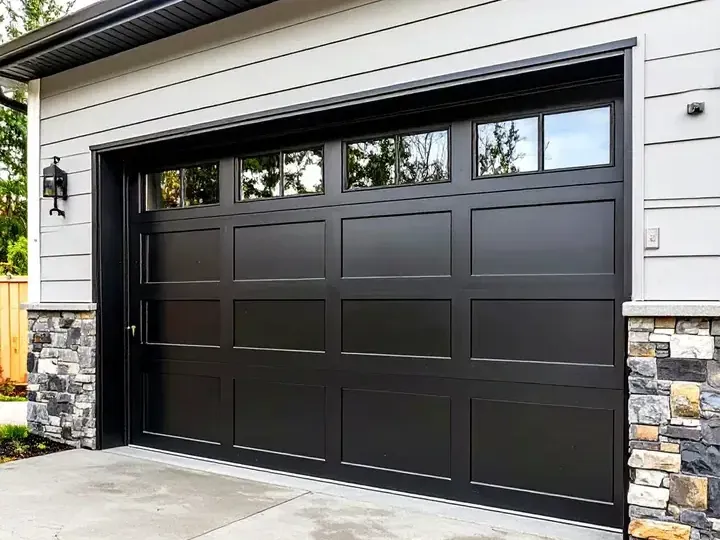
Garage Door Painting
Steel and wood garage doors degreased, sanded, primed and sprayed in a durable exterior finish built for Alberta sun and freeze-thaw.
Garage door painting in Calgary -
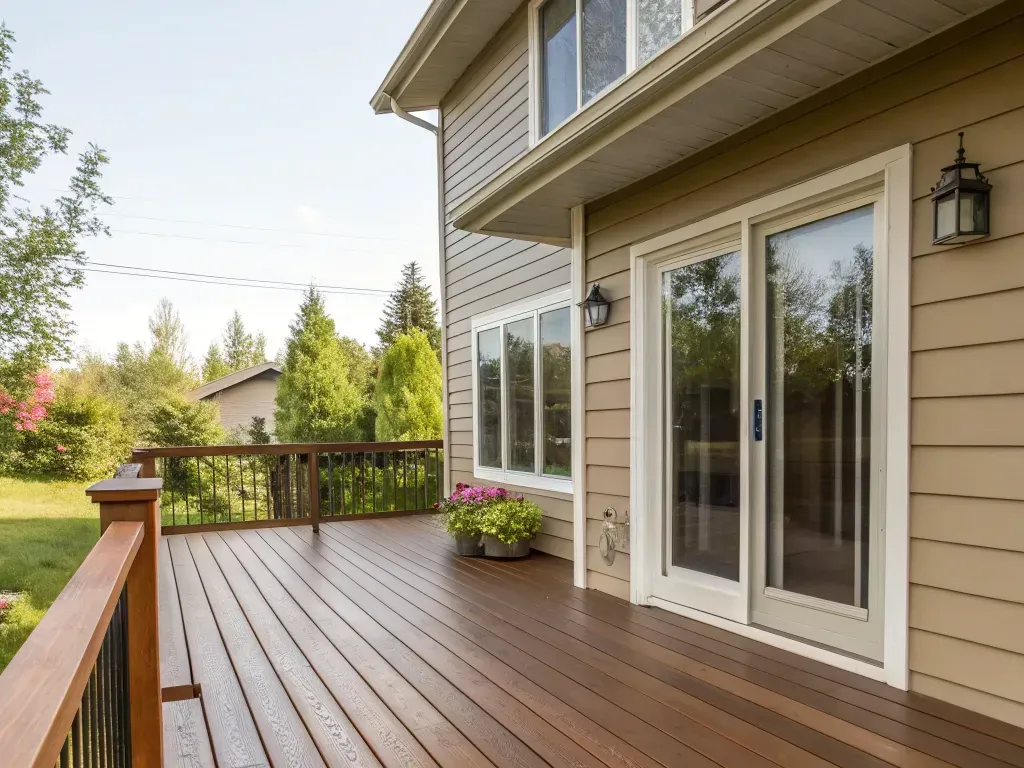
Deck Painting & Staining
Decks cleaned, sanded and refinished with stain systems chosen for Alberta sun exposure and freeze-thaw cycling.
Deck staining and refinishing -
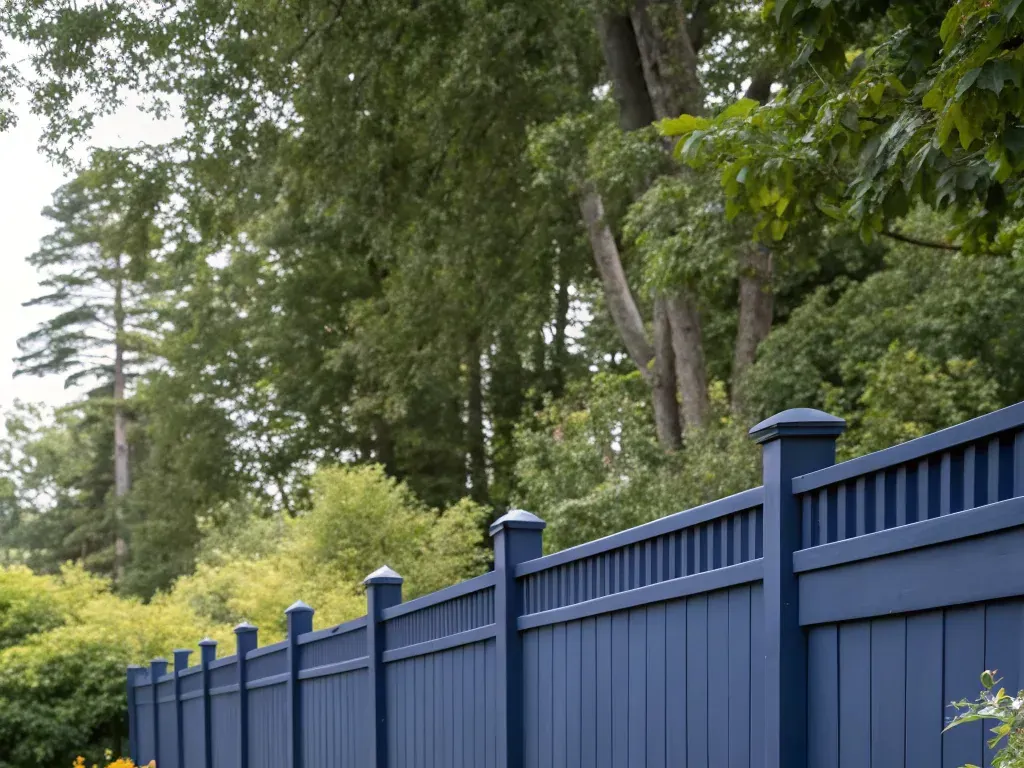
Fence Painting
Wood and metal fences washed, prepped and coated, with scheduling that respects drying and recoat windows.
Fence painting and staining -
Front Door Painting
Wood, steel and fibreglass entry doors prepared to suit the material and sprayed to a smooth, durable exterior finish.
Front door painting in Calgary -
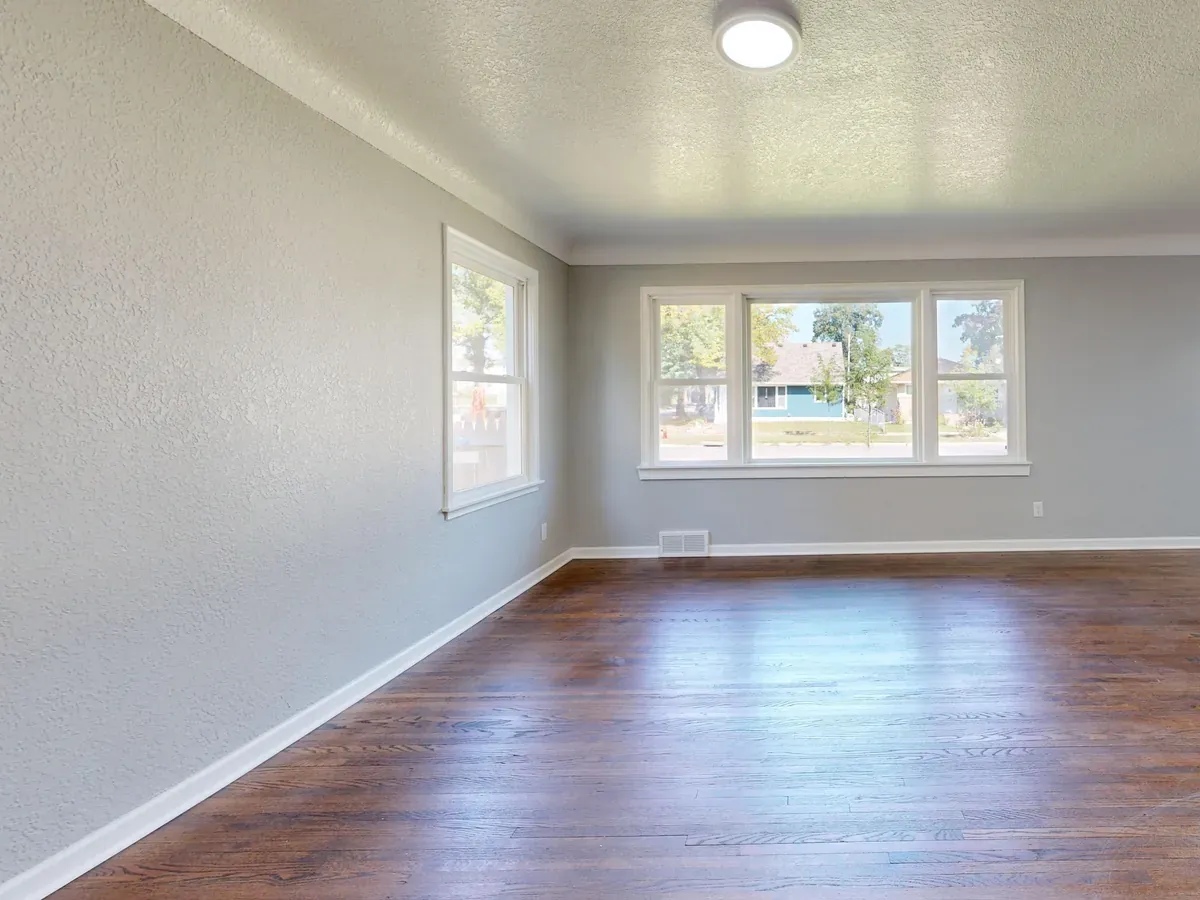
Residential Painting
Houses, condos and townhouses — single rooms through full repaints, including move-in, pre-sale and post-renovation work.
Residential painting for Calgary homes -
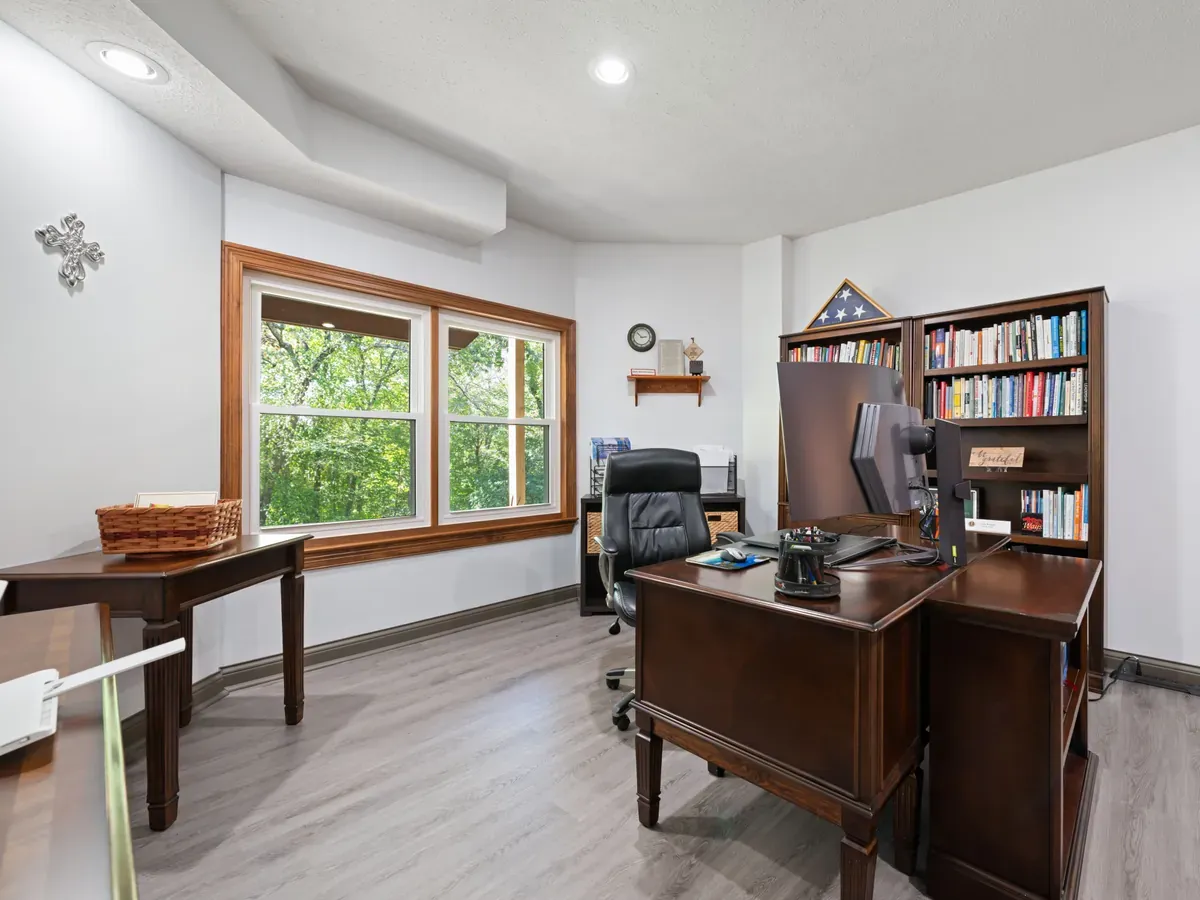
Commercial Painting
Offices, retail units, rental properties and common areas, with after-hours and weekend scheduling to limit disruption.
Commercial painting in Calgary -
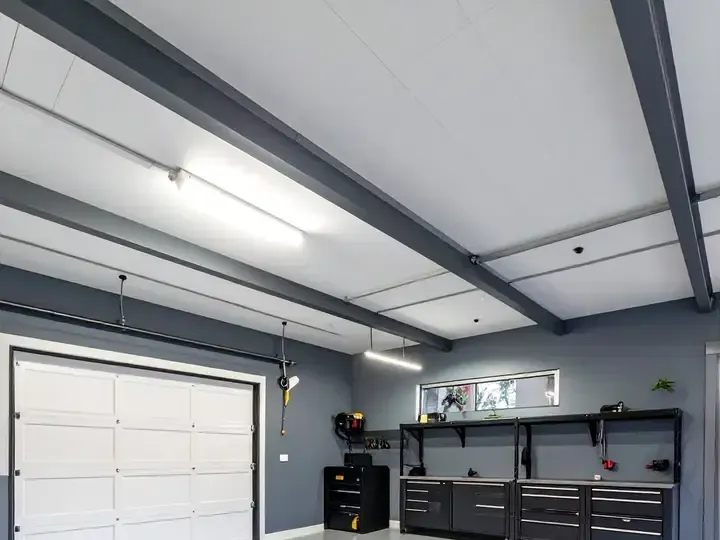
Garage Painting
Garage walls, ceilings and trim finished in durable, washable coatings that stand up to a working space.
Garage painting in Calgary -
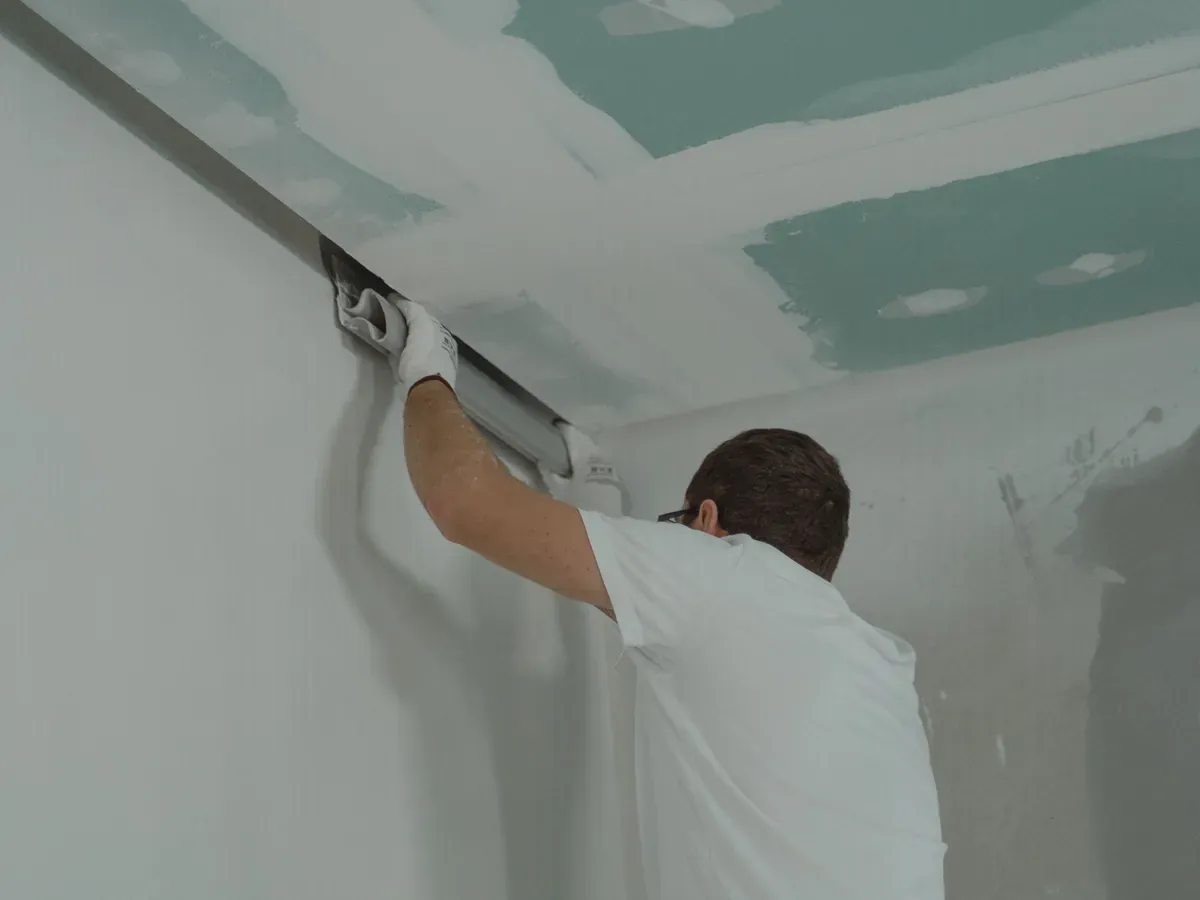
Drywall Repair
Cracks, nail pops, holes and water damage patched, sanded and blended so the finished paint has a flat surface to sit on.
Drywall repair before painting
Why work with us on trim
- Old gloss is always scuff-sanded, which is what stops the new coat peeling off a baseboard.
- Gaps are caulked, because that is what makes a room look finished.
- Knots blocked on bare wood, so nothing bleeds through a white topcoat.
- Doors sequenced sensibly, so bedrooms and bathrooms are not all open at once.
- Quoted by count and run, so you can see exactly what drives the price.
Trim painting questions
What people ask before booking trim and door work.
Why does trim cost more than walls per square foot?
Because it is almost entirely hand work. A wall is a large open area that goes quickly; baseboards, casings and door frames are narrow, detailed and cut in by hand along every edge. Two rooms with identical floor area can differ substantially in price purely on how many doors, windows and runs of baseboard they contain.
What finish should trim be?
Semi-gloss is the usual choice. It is durable, wipes clean, and the sheen difference against the wall is what makes trim read as a deliberate separate element rather than blending in. Satin is a softer alternative that suits some interiors, at the cost of a little washability.
Does old glossy trim need sanding?
Yes, and this is the step that decides whether the job lasts. Old semi-gloss and oil enamel surfaces are too slick for a new coat to grip. Scuff-sanding gives the primer something mechanical to hold onto — skip it and the new paint peels off in sheets the first time something knocks a baseboard.
Should gaps be caulked before painting trim?
Yes. The thin dark shadow line where baseboard meets wall is what makes a room look unfinished even when the paint itself is fine. Caulking those gaps costs very little and changes how the whole room reads. It is one of the clearest differences between a professional job and a quick one.
Is trim brushed or sprayed?
Both have their place. Spraying gives the hardest, smoothest finish and suits doors and trim in an empty or newly built space where full masking is practical. In an occupied home, brushing with a quality enamel is often the sensible choice — the containment required to spray trim safely around furniture frequently costs more than the finish difference is worth.
Sharpen up every edge in the room
Tell us how many rooms and doors are involved. We will look at it and put a written, itemised estimate in your hands.