Garage Door Painting in Calgary
The largest surface on the front of most houses, prepared properly and sprayed in a finish built for Alberta sun, road salt and freeze-thaw.
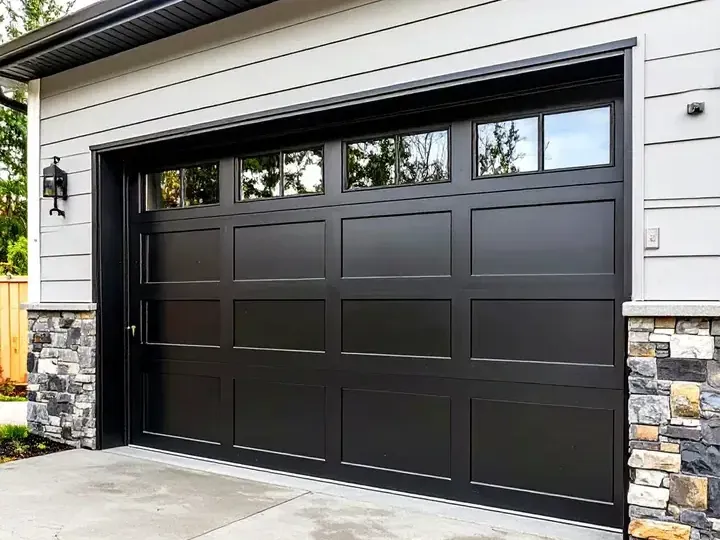
Get a free painting estimate
Tell us what you need and we’ll come back to you with a written, itemised quote. No obligation.
House Painters Calgary refinishes garage doors for homeowners across Calgary, Alberta — steel, aluminium, wood and composite sectional doors, along with their frames and trim. It is exterior work, so it runs through the warmer months.
Why the garage door dates a house
On a typical Calgary home the garage door is the largest surface facing the street, and the one that ages worst — direct sun, road salt off the driveway, and the full freeze-thaw cycle with no eave over it. It fades unevenly, chalks on the sunny side, and picks up rust along the bottom panel where meltwater sits. The house behind it can be in good order and still read as tired.
When painting is not the answer, we will say so. Dented or delaminating panels, rust through the metal, or a failing mechanism all point to replacement. Where the door is sound and the panels are straight, refinishing gets most of the visual benefit of a new door for a fraction of the cost.
What garage door painting includes
Doors we refinish
- Steel sectional doors — by far the most common here, and the substrate most of this page is about.
- Aluminium doors — the same care over adhesion that steel needs.
- Wood and composite doors — more preparation, and sealing the end grain matters more than the finish coat.
- Frames, casing and trim — quoted with the door or separately.
Included as standard
- Washing and degreasing the full door face.
- Scuff-sanding glossy or previously coated areas.
- Rust taken back to sound metal.
- Masking of seals, hardware, glazing, track and adjacent surfaces.
- Primer matched to the substrate.
- Two sprayed finish coats in an exterior-grade product.
The inside face and the walls around it are a separate interior job — see garage painting. The wider building is covered under exterior painting in Calgary.
Curious what your door would cost?
Send a photo of the door from the street and we can usually tell you very quickly whether refinishing is the right call.
Preparation on a garage door is mostly about adhesion
A garage door is a factory-finished panel — sealed, smooth and slick, which is exactly the surface a new coating struggles to grip. Almost every failed garage door repaint traces back to that.
It is dirtier than it looks. Road salt, exhaust film and grit off the tyres are invisible and all prevent adhesion. The door gets washed and degreased, not wiped.
Slick coatings need a key. Scuff-sanding gives the primer something mechanical to hold. Skip it and the new coat lifts from the panel faces, usually starting at the recessed edges where water sits.
Rust comes off, it is not covered. Coating over corrosion seals moisture against the metal and it returns worse. It is taken back to clean metal and primed.
Seals and hardware get masked. Overspray on a weather seal, the track or the brick beside the opening is what separates a professional job from a weekend one.
How a garage door project runs
Usually one to two days for a standard door, weather permitting.
-
Assessment
We check the substrate, look for rust, dents and failing coating, and confirm the panels are worth refinishing.
-
Washing and degreasing
Road salt, exhaust film and grit come off first — a door collects far more grime than it looks like it does.
-
Sanding and rust treatment
Glossy areas scuffed for a key, failing paint taken back to a sound edge, rust removed to clean metal.
-
Masking
Weather seals, hardware, glazing, track and surrounding brick protected before anything is sprayed.
-
Priming
Bare metal, sanded areas and treated rust primed to suit the substrate; end grain sealed on wood doors.
-
Sprayed finish coats
Two coats by spray so faces and recesses come out even, with proper flash time between them.
-
Inspection
Masking off, hardware refitted, then we walk it with you from the street — the only place a garage door is judged from.
Coatings, primers and finish for garage doors
Steel and aluminium
A quality exterior acrylic latex over a metal-appropriate primer is the standard build. Where the door is bare, rusted, or coated in something unknown, a direct-to-metal acrylic gives better adhesion and corrosion resistance. Interior wall paint has no place here — it lacks the flexibility for a panel that moves and the UV package for full sun.
Wood and composite
Wood doors need the end grain sealed before the finish coats, because that is where water gets in, and they move more with humidity than steel — so the coating has to stay flexible.
Spray, not brush or roller
A garage door is a large flat surface with recessed panels, viewed from the street in direct light. Spraying lays the coating flat and reaches into the profiles evenly. Rolling works on a flush door but leaves texture that reads at a distance, and brush marks are obvious in raking afternoon sun.
Satin or semi-gloss
Satin suits most doors: durable and washable without hard reflections, and forgiving of the dents and waviness doors accumulate. Semi-gloss looks crisper and cleans more easily, but in direct sun it magnifies every imperfection. We recommend once we have seen the door.
Ready to sort out the front of the house?
We will look at the door, tell you honestly whether it is worth refinishing, and put a written estimate in your hands.
Garage doors in the Calgary climate
It is exterior work, so it is seasonal
Roughly May to September. Coatings must be applied and cured inside their temperature range, and the overnight low matters as much as the daytime high — a mild afternoon dropping near freezing after dark can stop a coat forming its film. We will not spray a garage door in winter.
UV punishes south and west-facing doors
High-altitude sunlight breaks down pigment faster than most people expect. A south or west-facing door chalks and fades years before a north-facing one on the same street — worth knowing when you choose a colour.
Road salt and the bottom panel
Salt and meltwater sit against the lowest panel every time the car comes in. That is where rust starts on almost every steel door we see, and why the bottom section needs the most preparation.
Dark colours and heat
A very dark finish on an insulated steel door in full afternoon sun absorbs significant heat, and that load can stress the panels and shorten the coating's life. Worth choosing alongside the front door too — the two read together from the kerb. It does not rule dark colours out, but on a west-facing door it is a real consideration rather than a decorating superstition.
How long it takes
A standard door is usually one to two days, with the weather having as much say as the door does. Washing and drying come first, then preparation, then coats with proper flash time between them.
The door is out of use for part of that — it cannot be run while masked or while coatings are soft. We tell you which window that is so you can plan the car around it, and we schedule with weather contingency.
What affects the price
Garage doors are quoted per door after a look, or from a clear photo. Size and the condition of the existing finish move the number most.
| What we look at | Why it changes the number |
|---|---|
| Single or double door | The primary driver. A double door is roughly twice the surface area of a single, and larger doors take proportionally more product and more masking. |
| Substrate | Steel and aluminium need metal-appropriate primers. Wood and composite doors need sealing at the end grain and are generally more work to prepare. |
| Condition of the existing finish | A sound door needs washing, a scuff-sand and two coats. One with widespread peeling, chalking or rust needs that failing material removed first. |
| Rust and dent repair | Surface rust is straightforward. Corrosion that has gone through a panel, or significant denting, is repair work and is quoted separately. |
| Colour change | Going dramatically lighter, or covering a strong colour, may need an extra coat or a tinted primer to reach an even final shade. |
| Trim and frame in scope | Painting the door alone is one price. Including the frame, casing and any adjacent service door is more surface and more hand-cut work. |
Rust and dent repair is always shown as its own line, so you can see what is painting and what is repair, and decide on each separately.
Get a garage door painting estimate
Tell us whether it is a single or double door and what it is made of. A photo from the street tells us most of what we need.
Explore Our Calgary Painting Services
Garage doors are often done alongside the wider exterior. Here is everything we cover in Calgary.
-
Interior Painting
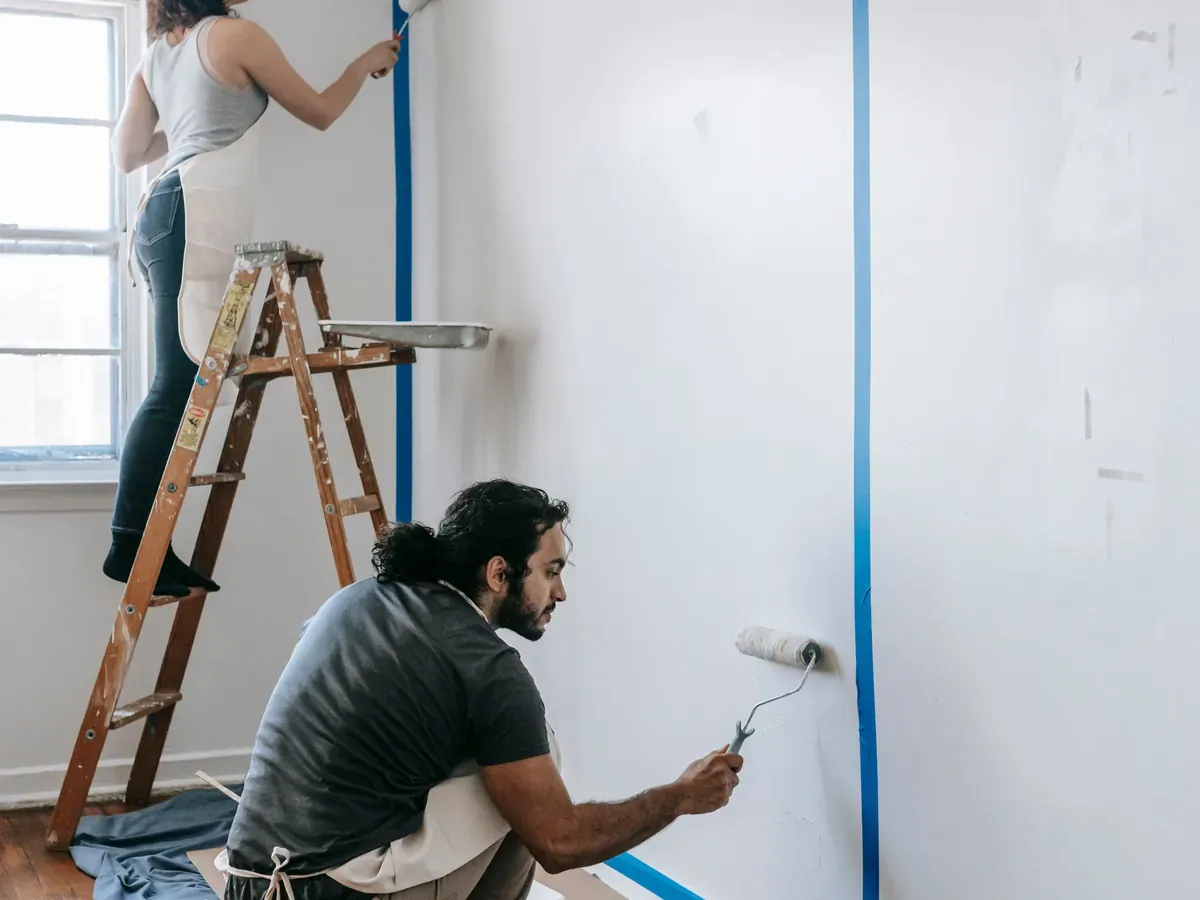
Walls, ceilings, trim, doors and basements painted with full masking and careful prep — including work in occupied homes.
Interior painting in Calgary -
Cabinet Painting
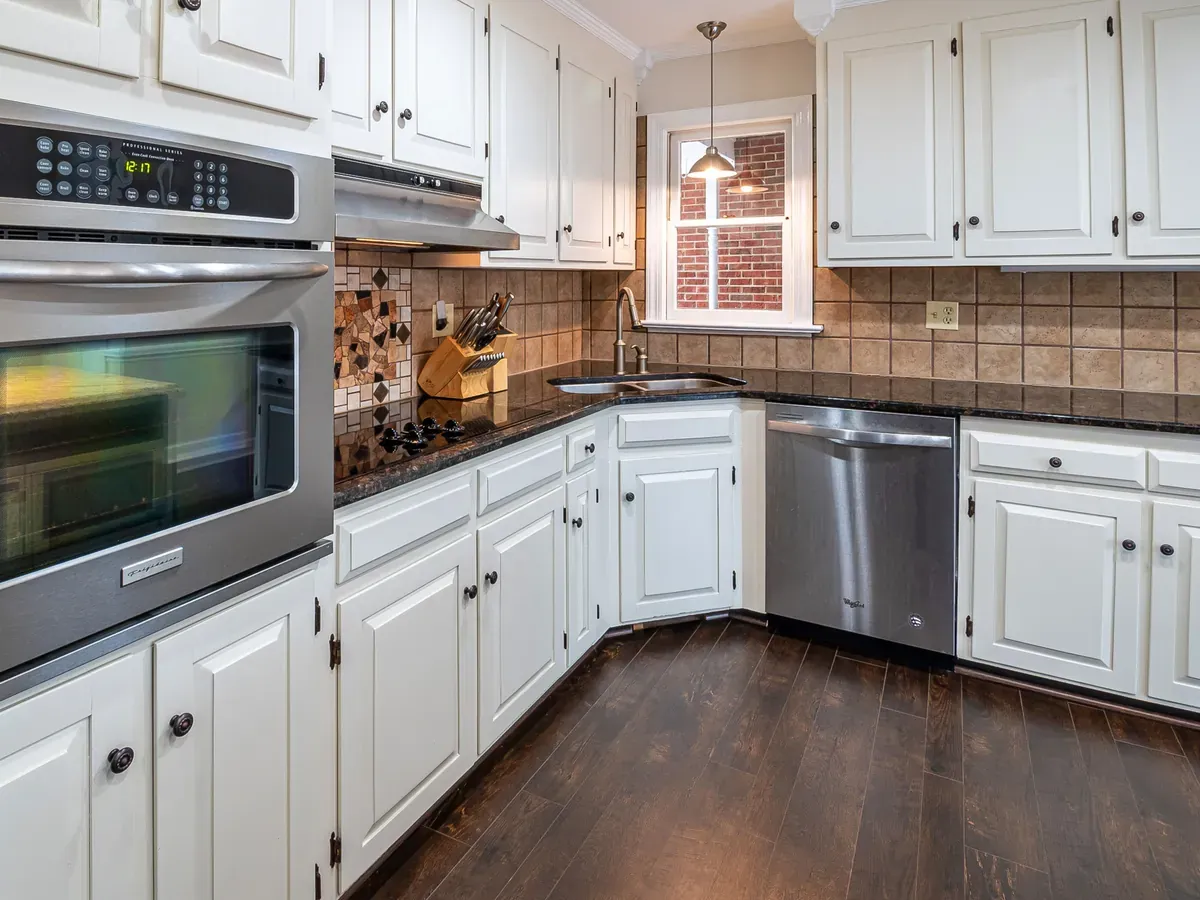
Kitchen cabinet painting and refinishing — degreased, sanded, primed and sprayed for a hard, even factory-style finish.
Kitchen cabinet painting and refinishing -
Ceiling Painting
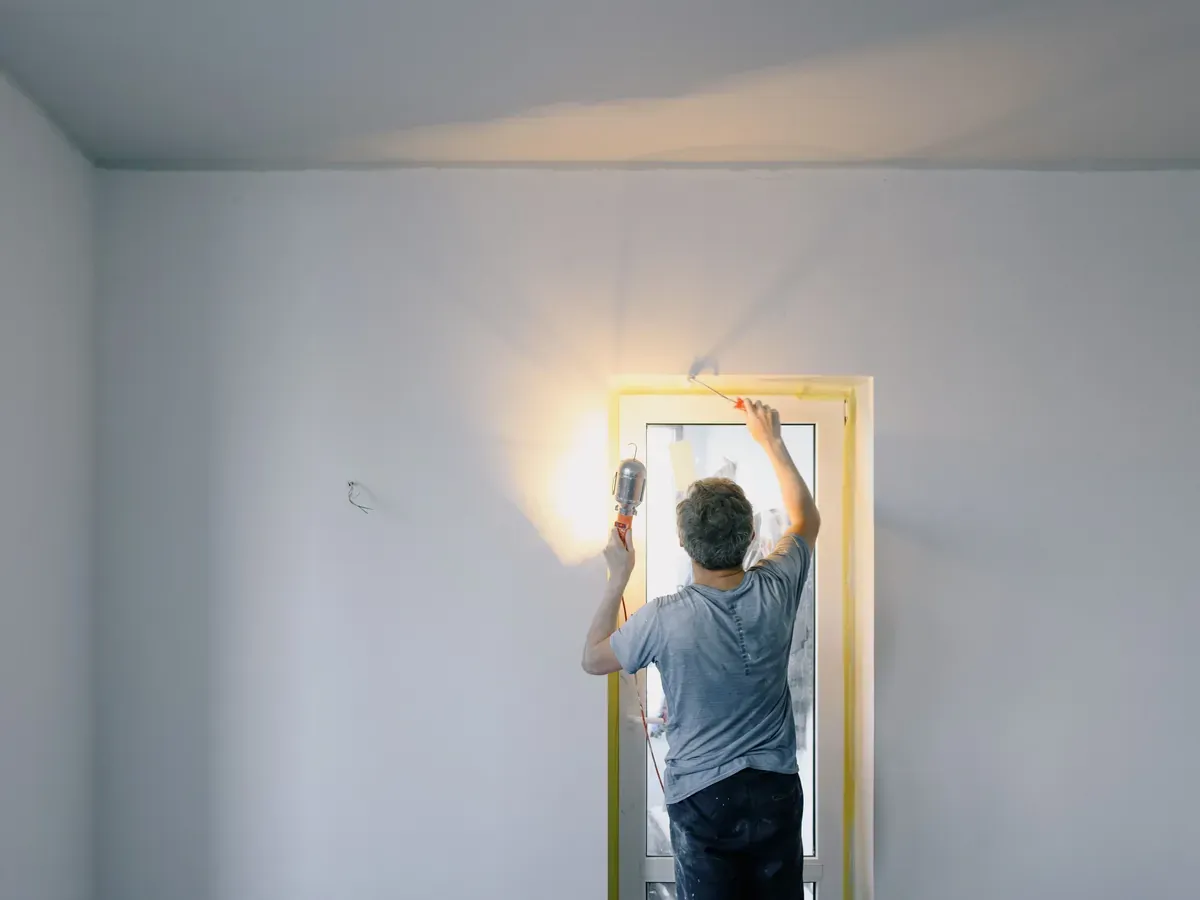
Flat, textured and stipple ceilings repainted with stain blocking where needed, and everything below fully protected.
Ceiling painting in Calgary -
Popcorn Ceiling Removal
Textured and stipple ceilings tested, removed, skim-coated flat and repainted — with full dust containment throughout.
Popcorn ceiling removal in Calgary -
Kitchen Painting
Kitchen walls, ceilings and trim degreased and finished in scrubbable coatings built for heat, steam and daily cleaning.
Kitchen wall and ceiling painting -
Trim Painting
Baseboards, casings, door frames and crown moulding sanded, filled, caulked and finished with hand-cut lines.
Trim, baseboard and door frame painting -
Basement Painting
Finished and unfinished basements painted — walls, ceilings and trim, with colour and sheen chosen for low light.
Basement painting in Calgary -
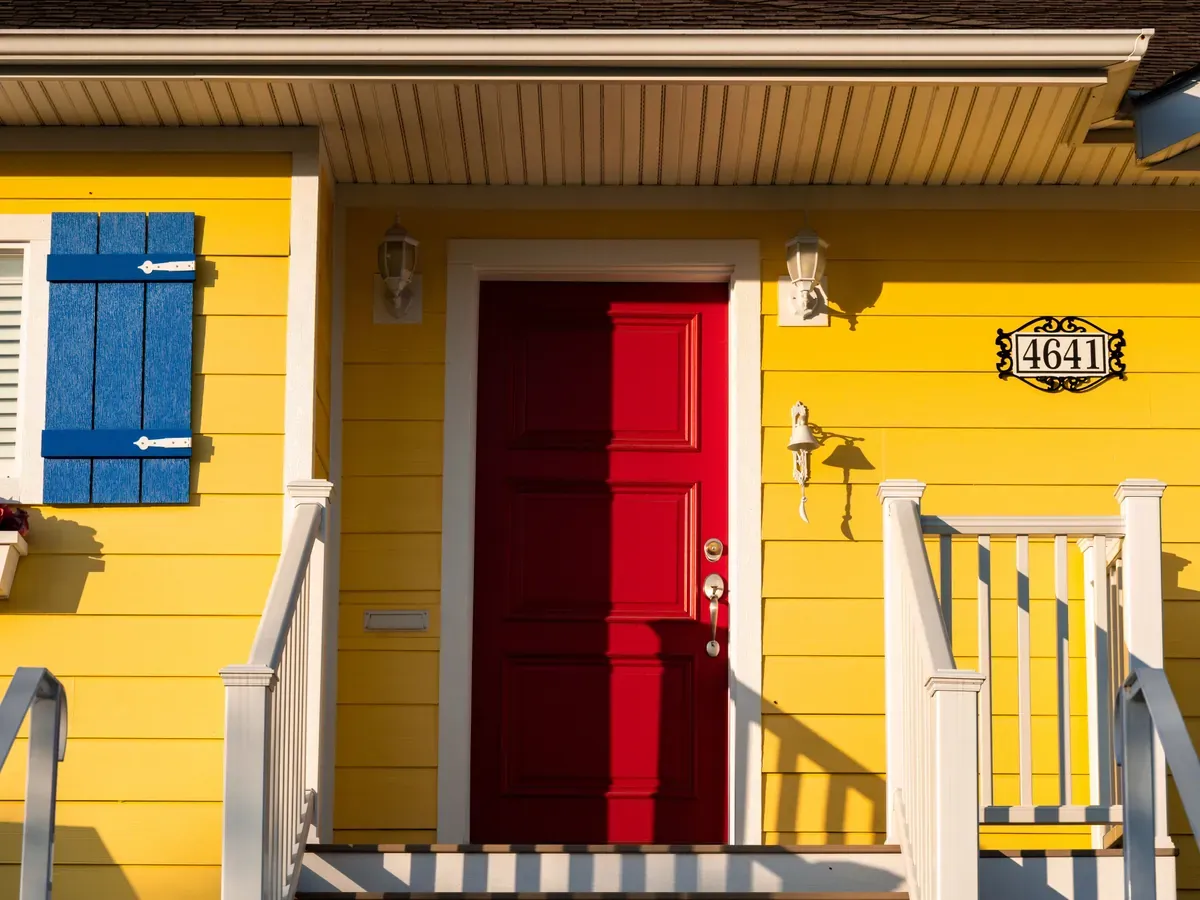
Exterior Painting
Stucco, siding, trim, fascia and doors, scheduled around Calgary weather so coatings cure the way they are meant to.
Exterior painting for Calgary homes -
Stucco Painting
Stucco exteriors washed, cracks repaired and coated in breathable, flexible products chosen for freeze-thaw and Alberta UV.
Stucco painting in Calgary -
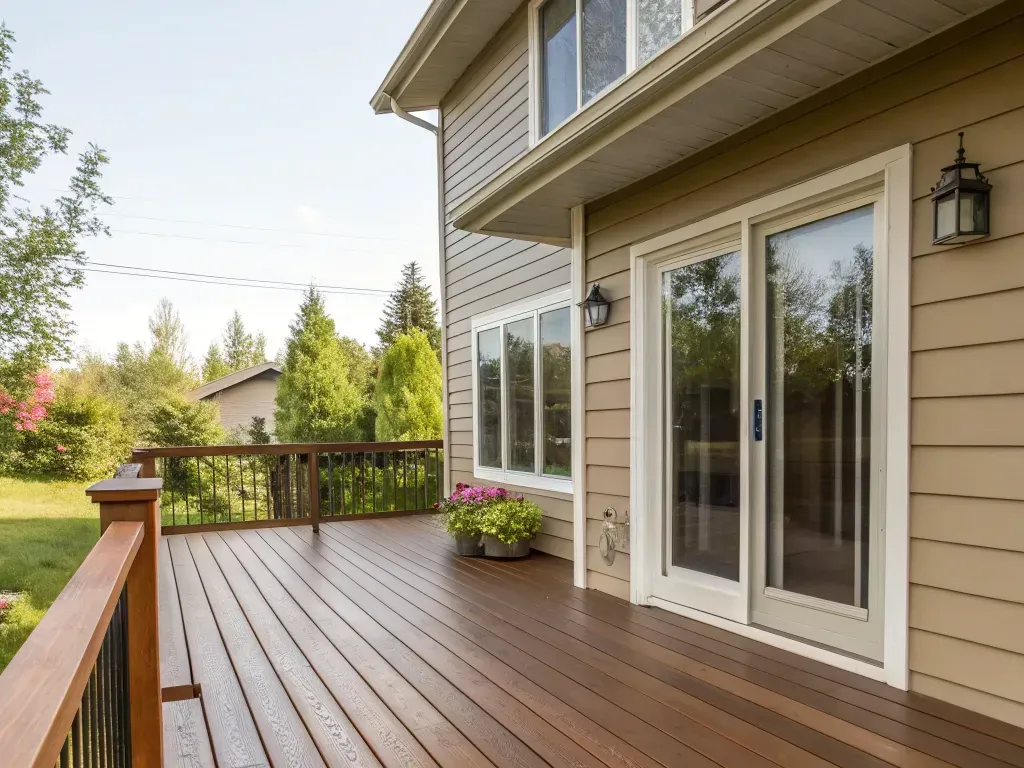
Deck Painting & Staining
Decks cleaned, sanded and refinished with stain systems chosen for Alberta sun exposure and freeze-thaw cycling.
Deck staining and refinishing -
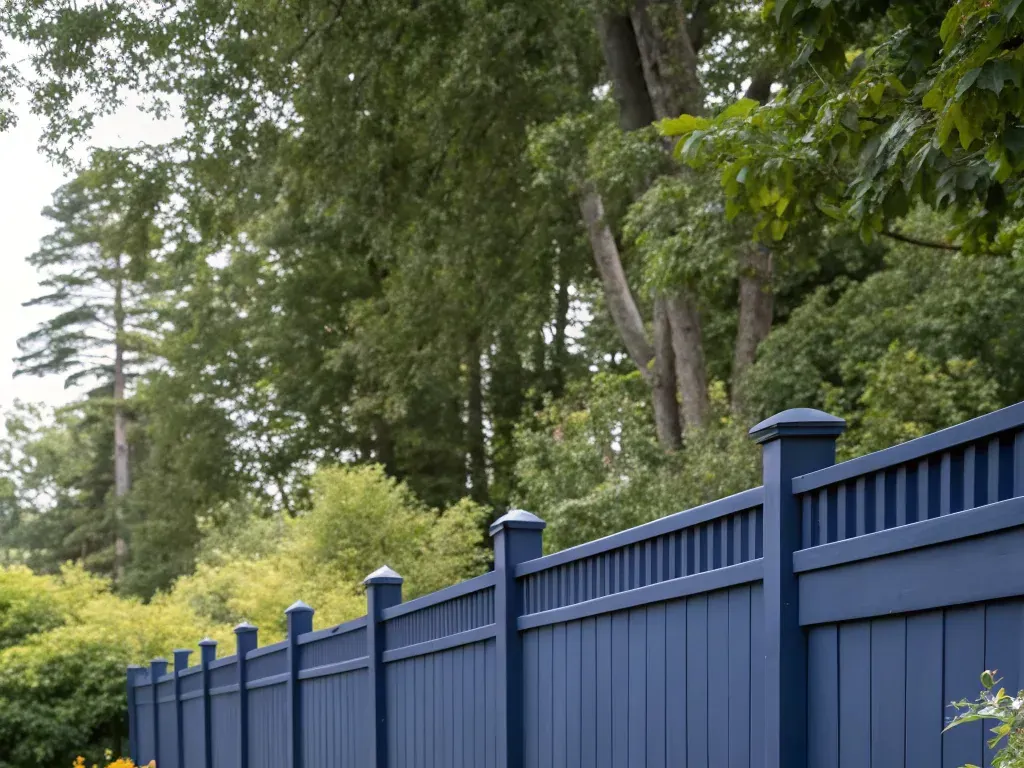
Fence Painting
Wood and metal fences washed, prepped and coated, with scheduling that respects drying and recoat windows.
Fence painting and staining -
Front Door Painting
Wood, steel and fibreglass entry doors prepared to suit the material and sprayed to a smooth, durable exterior finish.
Front door painting in Calgary -
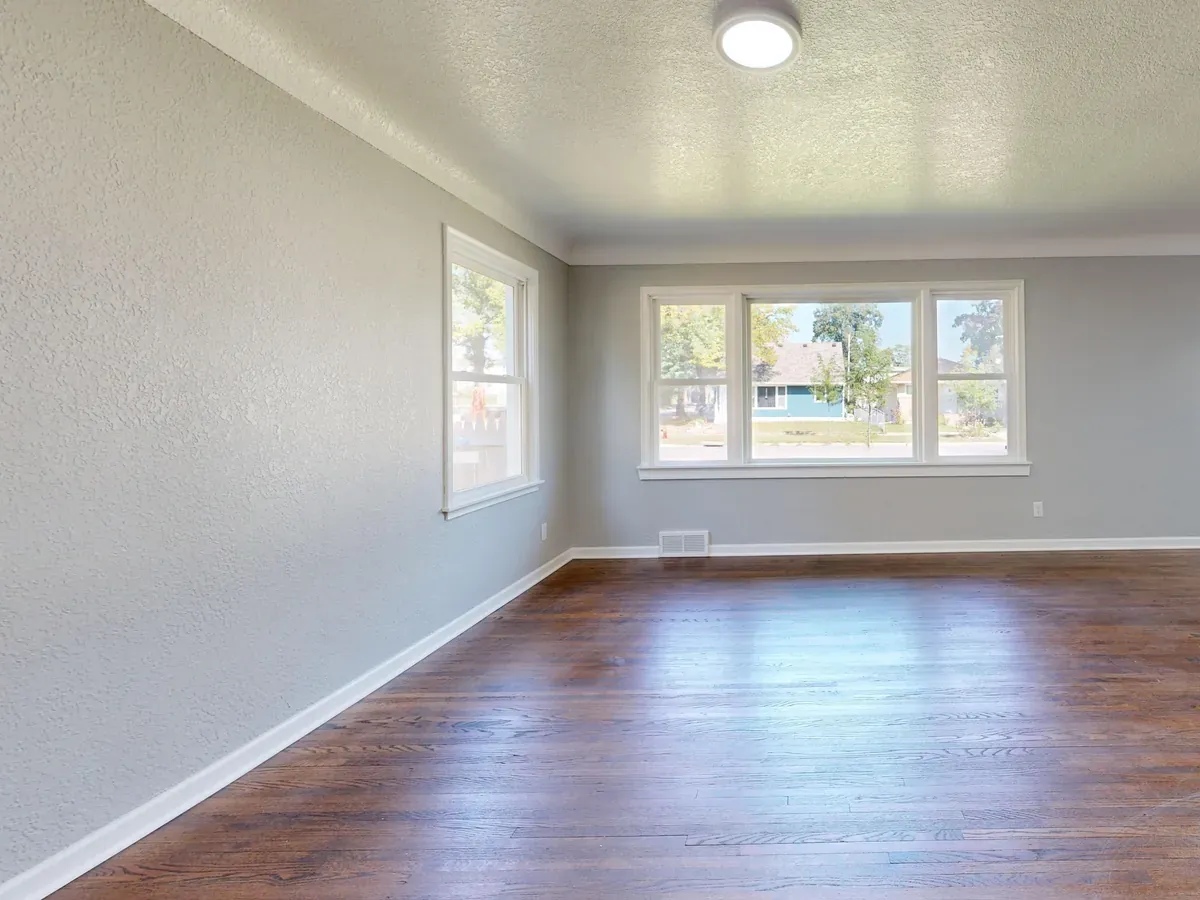
Residential Painting
Houses, condos and townhouses — single rooms through full repaints, including move-in, pre-sale and post-renovation work.
Residential painting for Calgary homes -
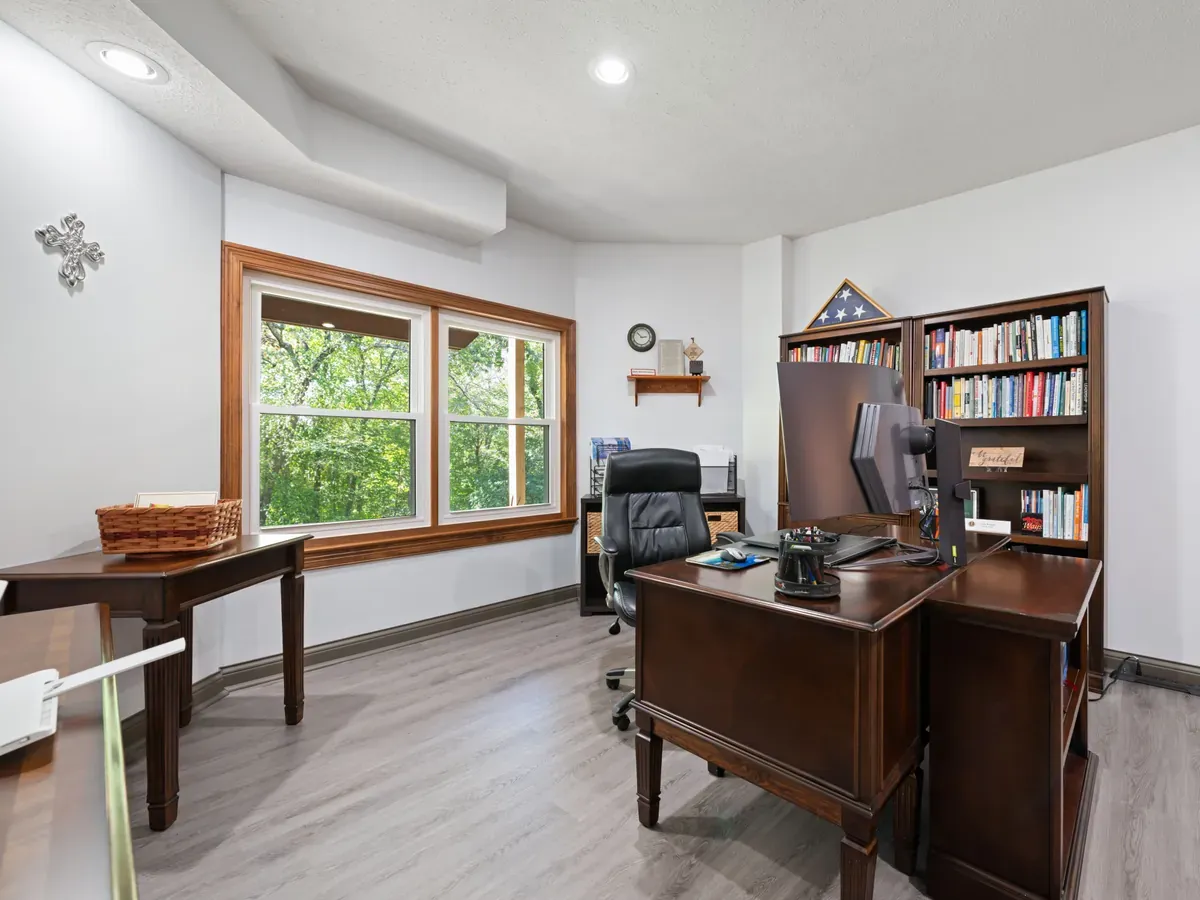
Commercial Painting
Offices, retail units, rental properties and common areas, with after-hours and weekend scheduling to limit disruption.
Commercial painting in Calgary -
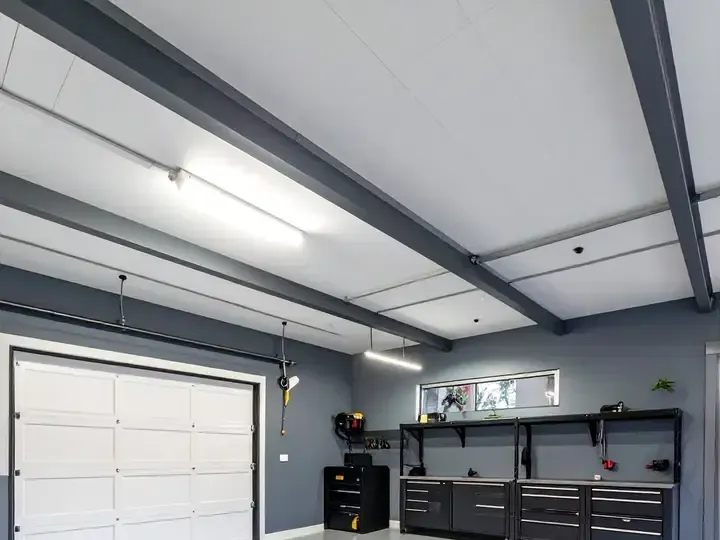
Garage Painting
Garage walls, ceilings and trim finished in durable, washable coatings that stand up to a working space.
Garage painting in Calgary -
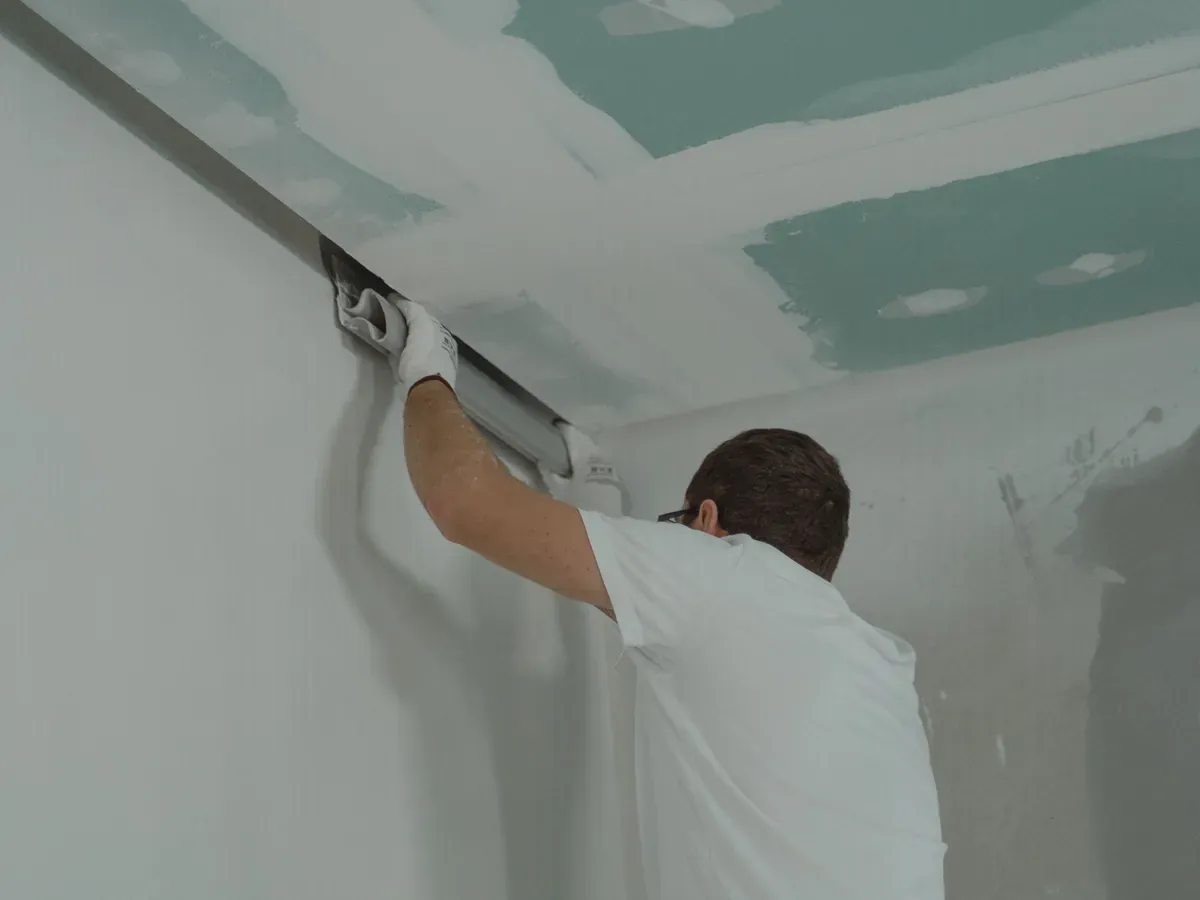
Drywall Repair
Cracks, nail pops, holes and water damage patched, sanded and blended so the finished paint has a flat surface to sit on.
Drywall repair before painting
Why work with us on your garage door
- Doors are sprayed, not rolled. On a panel this visible, that is the whole difference.
- Rust is removed, not covered.
- Primer matched to the substrate — steel, aluminium and wood are not interchangeable.
- Seals, track and hardware properly masked.
- Straight advice about replacement when the door is not worth refinishing.
Garage door painting questions
What Calgary homeowners ask before booking garage door work.
What type of paint is best for a metal garage door?
A quality exterior acrylic latex is the usual choice for a steel garage door, applied over a primer suited to metal. Where the door is bare, previously coated in an unknown product, or showing rust, a direct-to-metal (DTM) acrylic gives better adhesion and corrosion resistance. What you should avoid is ordinary interior wall paint — it has neither the flexibility nor the UV package to survive on a south-facing steel panel.
Do I need to prime a garage door before painting?
Usually yes. Bare metal, any spot sanded back to substrate, and every area of rust must be primed or the topcoat will not hold. A sound, previously painted door in good condition can sometimes take a finish coat over a thorough clean and scuff-sand, but priming is what makes the difference between a finish that lasts and one that peels at the panel edges.
Is it better to spray or roll a garage door?
Spraying gives the best result. A garage door is a large flat surface with recessed panels and it is viewed from the street in direct light, so brush and roller texture reads clearly. Spraying atomises the coating so it lays flat and gets into the panel profiles evenly. Rolling is workable on a flush door, but it will never look like a factory finish.
Should a garage door be satin or semi-gloss?
Satin is the safer choice for most doors. It is durable and washable without throwing back hard reflections, and it hides the dents and minor waviness that most garage doors pick up over time. Semi-gloss looks sharper and cleans more easily, but on a large panel in direct sun it highlights every imperfection in the surface behind it.
How do I prepare a garage door for painting?
Wash it thoroughly to remove road salt, exhaust film and dirt, then degrease it — a garage door collects more grime than people expect. Sand any glossy areas to give the coating a key, take rust back to sound metal, and mask the weather seal, hardware, glazing and the surrounding trim. Let the door dry completely before anything is applied.
How long will a painted garage door last?
A properly prepared and correctly coated garage door should hold its finish for many years, though south and west-facing doors fade first because of the UV exposure they take in Calgary. Rather than counting years, watch for chalking when you wipe a hand across the surface, and for any place the coating has released at a panel edge — that is the point to act.
Is it worth painting a garage door?
On most houses the garage door is the single largest surface facing the street, so refinishing it changes the look of the property more than almost any other job of comparable cost. It is worth doing when the door is structurally sound and the panels are straight. If the door is dented, the panels are delaminating, or the mechanism is failing, replacement is the better spend and we will say so.
How much does it cost to paint a garage door?
It is quoted per door after a look. The main factors are size — a single is roughly half the surface of a double — the substrate, the condition of the existing coating, how much rust or dent repair is needed, and whether the surrounding trim and frame are in scope. We put it in writing and itemise it so you can see what each part costs.
What colours should I avoid for garage doors?
Be careful with very dark colours on a south or west-facing door. Dark finishes absorb significantly more heat, and on an insulated steel door that added thermal load can stress the panels and shorten the life of the coating. Colours that fight the siding or the front door are the other common regret — the garage door is a large block of colour and it should sit with the house, not compete with it.
Is one gallon of paint enough for a garage door?
For a single door in good condition, one gallon of finish is often enough for two coats. A double door, a significant colour change, or a surface that drinks the first coat will usually need more, and primer is additional on top of that. We work the quantities out at the estimate rather than guessing on the day.
Change the front of the house in two days
Send us a photo of the door or book a look in person. We will tell you what it needs, what it costs, and whether it is worth doing.