Popcorn Ceiling Removal in Calgary
Textured ceilings tested first, then scraped, skim-coated flat and repainted — with the dust kept where it belongs.
Get a free painting estimate
Tell us what you need and we’ll come back to you with a written, itemised quote. No obligation.
House Painters Calgary removes popcorn and stipple ceilings for homeowners across Calgary, Alberta, and finishes them flat — scraping, skim coating, priming and painting. On any home built before about 1990 we start with asbestos testing, because that is what the material demands.
Why so many Calgary ceilings are textured
Textured and stipple ceilings were standard in Canadian homes from roughly the 1960s through the 1980s, and a great deal of Calgary's housing stock dates from exactly that period. They were quick to apply, they hid drywall seams and fastener heads without skilled finishing, and they were considered good for sound. Sixty years on they collect dust, they are impossible to clean, they yellow above kitchens, and they date a room more than almost anything else in it.
Removal turns a textured ceiling into a flat, modern one. It is not a small job — it is the messiest interior work there is, and the scraping is only the first of four stages. Done properly the result is a ceiling that looks like it was finished flat in the first place.
Asbestos testing comes first
If your home was built before about 1990, the ceiling must be tested before anyone disturbs it. This is not a formality and it is not optional.
Textured ceiling finishes from that era can contain asbestos. Intact and undisturbed, that material is not a hazard. Scraping, sanding or wetting it is precisely what releases fibres into the air, and a homeowner or contractor who starts scraping an untested ceiling in a home of that age is creating a genuine health risk for everyone in the building.
Testing means taking a small sample and having it analysed by a laboratory. It is inexpensive relative to both the cost of the job and the consequences of getting it wrong, and it is the first thing we arrange or ask you to arrange.
What removal actually involves
Containment before anything else
Floors and walls are sheeted, doorways and vents are sealed, and light fixtures and ceiling fans are removed or wrapped. This happens before a scraper touches the ceiling, because the debris goes everywhere and the fine dust from the sanding stage travels through a house if it is not contained.
Wet scraping, not dry
On a tested, asbestos-free ceiling the texture is lightly misted so it softens and comes away in sheets rather than clouds. Dry scraping produces an enormous volume of airborne dust for no benefit. The misting has to be judged carefully — too much water and the drywall paper underneath softens and tears, which turns a scraping job into a repair job.
Skim coating is where the finish comes from
This is the stage people underestimate. The texture was hiding the drywall seams, the taped joints and every fastener head, and all of it is exposed the moment the texture is off. A skim coat across the whole ceiling, built up in passes and sanded flat, is what produces a genuinely flat finish. A quote that covers scraping but not skim coating is not describing a finished ceiling.
Priming and painting
Fresh joint compound is far more porous than the surrounding surface, so the ceiling is primed before the finish coats. It then takes a flat ceiling paint — sheen on a newly flattened ceiling would highlight exactly the imperfections the work was meant to remove. See ceiling painting for how that stage runs.
Thinking about removing a textured ceiling?
Tell us the age of the house and the rooms involved. If it predates 1990 we will talk you through testing before anything else.
How the work runs
Four distinct stages, and the drying time between them sets the schedule.
-
Testing
On any pre-1990 home a sample is tested before the ceiling is touched. Nothing starts until the result is in.
-
Containment
Floors and walls sheeted, doorways and vents sealed, fixtures removed or wrapped.
-
Wet scraping
Texture lightly misted so it lifts in sheets rather than dust, without over-wetting the drywall paper beneath.
-
Skim coating
Compound built up across the whole ceiling in passes to bury seams and fastener heads.
-
Sanding
Sanded flat under raking light, which is the only way to find the high spots.
-
Priming and painting
Fresh compound primed, then a flat ceiling finish applied in two coats.
-
Cleanup
Containment struck, fixtures refitted, and the fine dust cleaned up properly rather than spread around.
Timeline and disruption
A single room typically runs to several days once scraping, skim coating, drying between coats, sanding, priming and painting are all accounted for. A whole floor takes proportionally longer. The compound drying between skim coats governs the schedule far more than the scraping does, and it cannot be rushed without the ceiling shrinking and cracking later.
The rooms being worked on are genuinely out of use for the duration — this is not work you can live around one corner at a time. Where the drywall underneath turns out to be in poor condition, or seams have failed, that becomes drywall repair and is quoted as its own line rather than absorbed silently.
What affects the price
Quoted per room or per floor after seeing it. Removal, skim coating and painting are separate lines so you can see each stage.
| What we look at | Why it changes the number |
|---|---|
| Ceiling area | The baseline. Scraping, skim coating and sanding all scale directly with it. |
| Asbestos testing | A small separate cost on pre-1990 homes, and non-negotiable before work starts. |
| Condition of the drywall underneath | Texture hides a lot. Failed seams, water damage or poor original finishing become repair work once exposed. |
| Ceiling height and access | High and vaulted ceilings need staging and slow every stage of the job. |
| Furnished or empty | An empty room is far quicker to contain and protect than one being worked around. |
| Painting after | Priming and finish coats are quoted with the removal, since a scraped ceiling is not finished until it is painted. |
Painting over the existing texture is far cheaper and far less disruptive, and on a sound ceiling it can look perfectly good. We will price both so you can compare honestly rather than assuming removal is the only option.
Get a popcorn ceiling removal estimate
Tell us the rooms involved and roughly when the house was built — the build year decides whether testing comes first.
Explore Our Calgary Painting Services
Ceiling removal usually runs alongside other interior work. Here is everything we cover in Calgary.
-

Interior Painting
Walls, ceilings, trim, doors and basements painted with full masking and careful prep — including work in occupied homes.
Interior painting in Calgary -
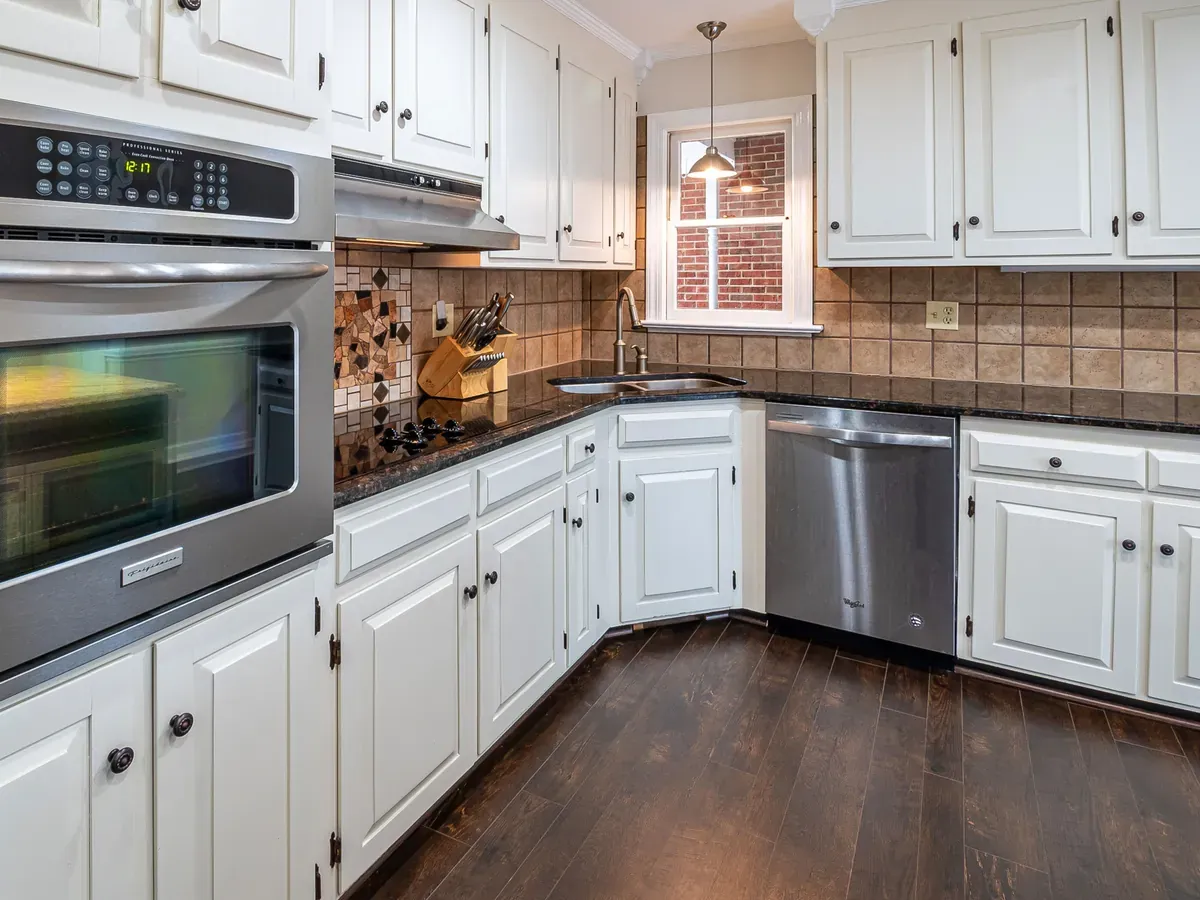
Cabinet Painting
Kitchen cabinet painting and refinishing — degreased, sanded, primed and sprayed for a hard, even factory-style finish.
Kitchen cabinet painting and refinishing -
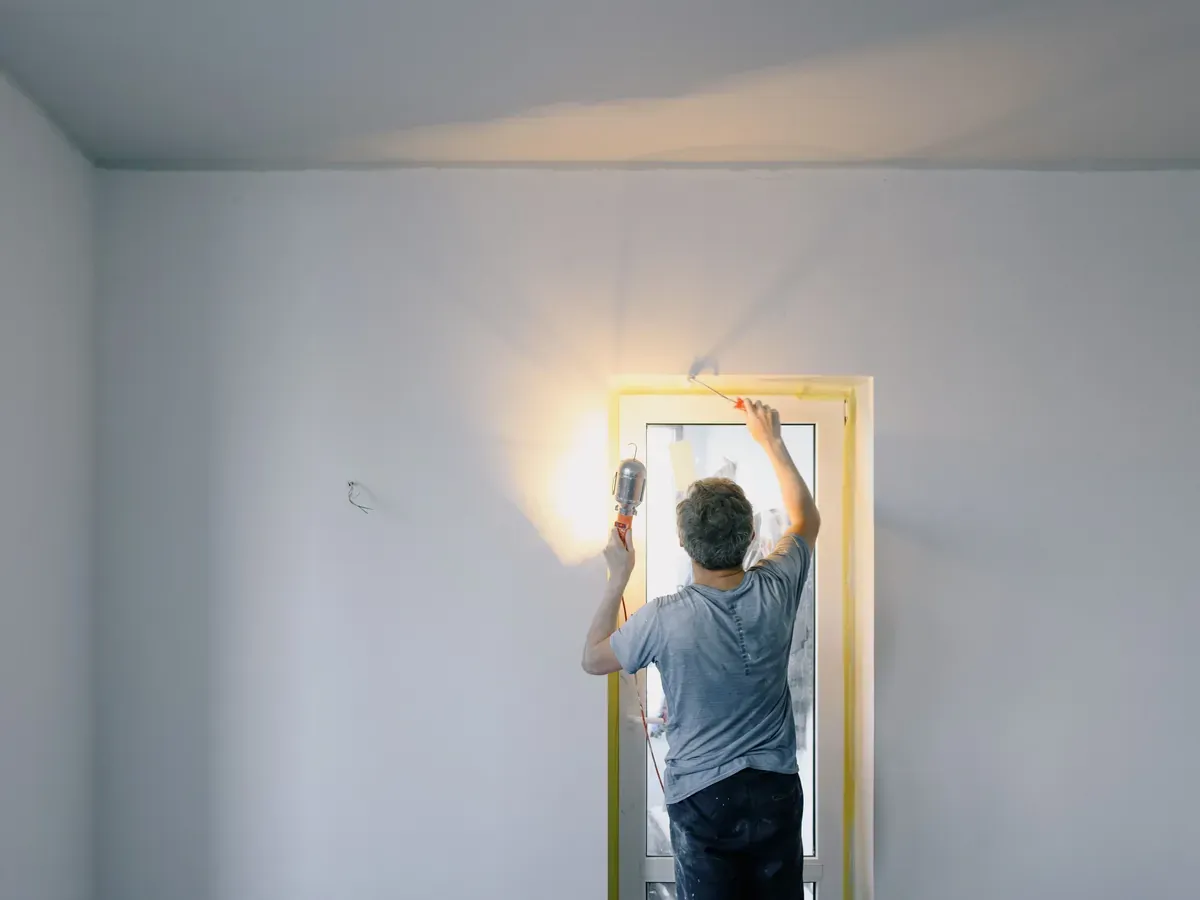
Ceiling Painting
Flat, textured and stipple ceilings repainted with stain blocking where needed, and everything below fully protected.
Ceiling painting in Calgary -
Kitchen Painting
Kitchen walls, ceilings and trim degreased and finished in scrubbable coatings built for heat, steam and daily cleaning.
Kitchen wall and ceiling painting -
Trim Painting
Baseboards, casings, door frames and crown moulding sanded, filled, caulked and finished with hand-cut lines.
Trim, baseboard and door frame painting -
Basement Painting
Finished and unfinished basements painted — walls, ceilings and trim, with colour and sheen chosen for low light.
Basement painting in Calgary -
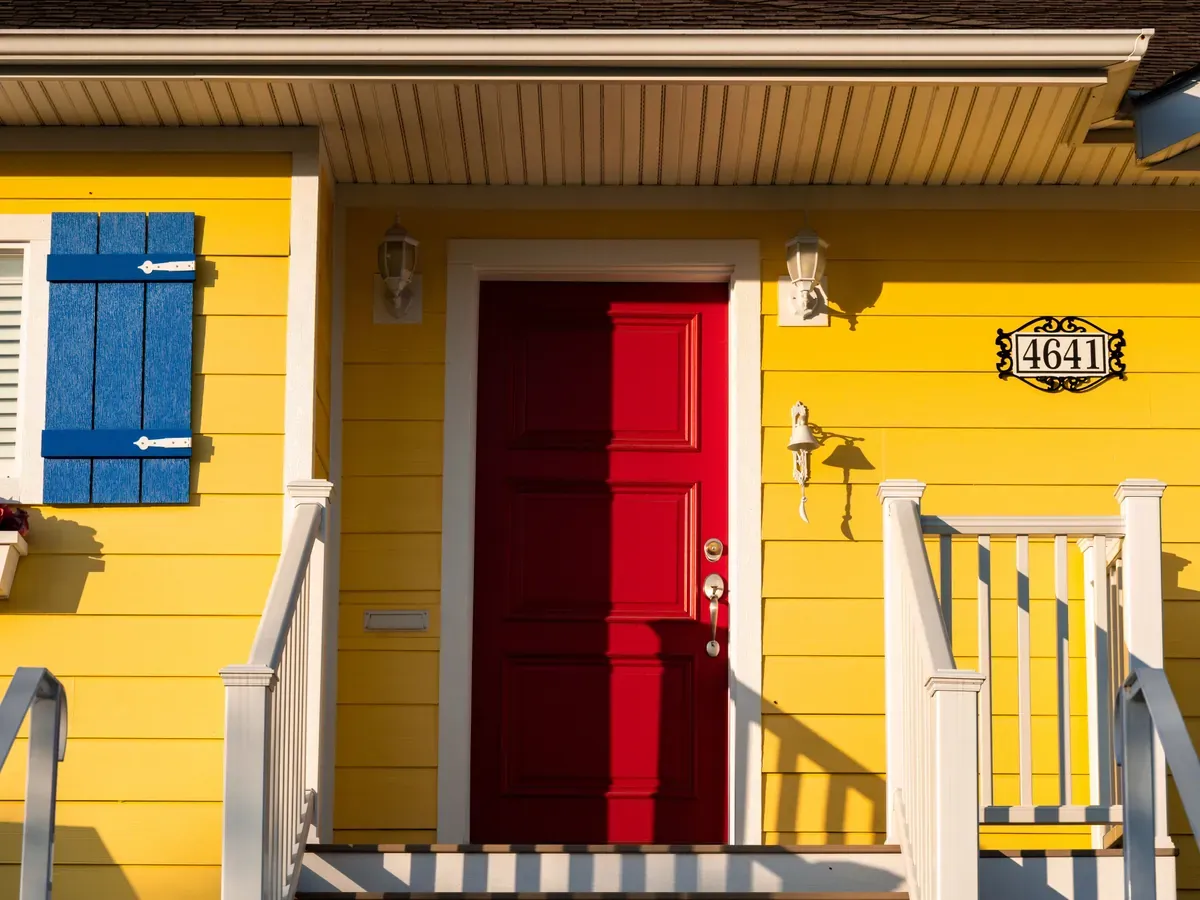
Exterior Painting
Stucco, siding, trim, fascia and doors, scheduled around Calgary weather so coatings cure the way they are meant to.
Exterior painting for Calgary homes -
Stucco Painting
Stucco exteriors washed, cracks repaired and coated in breathable, flexible products chosen for freeze-thaw and Alberta UV.
Stucco painting in Calgary -
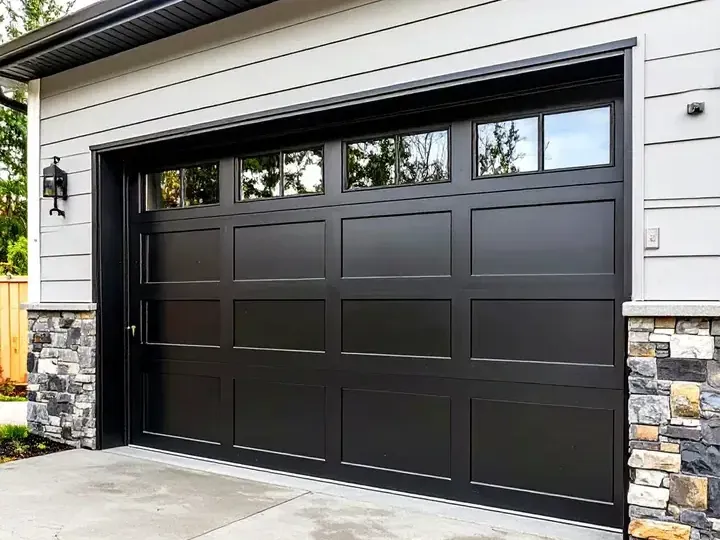
Garage Door Painting
Steel and wood garage doors degreased, sanded, primed and sprayed in a durable exterior finish built for Alberta sun and freeze-thaw.
Garage door painting in Calgary -
Deck Painting & Staining
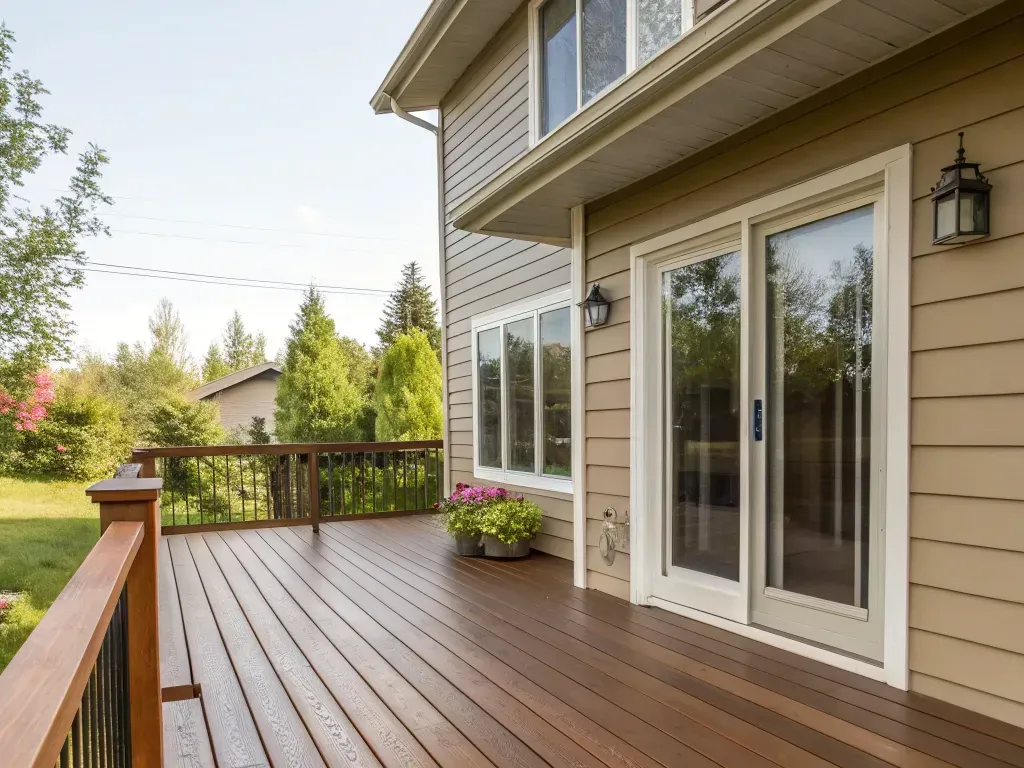
Decks cleaned, sanded and refinished with stain systems chosen for Alberta sun exposure and freeze-thaw cycling.
Deck staining and refinishing -
Fence Painting
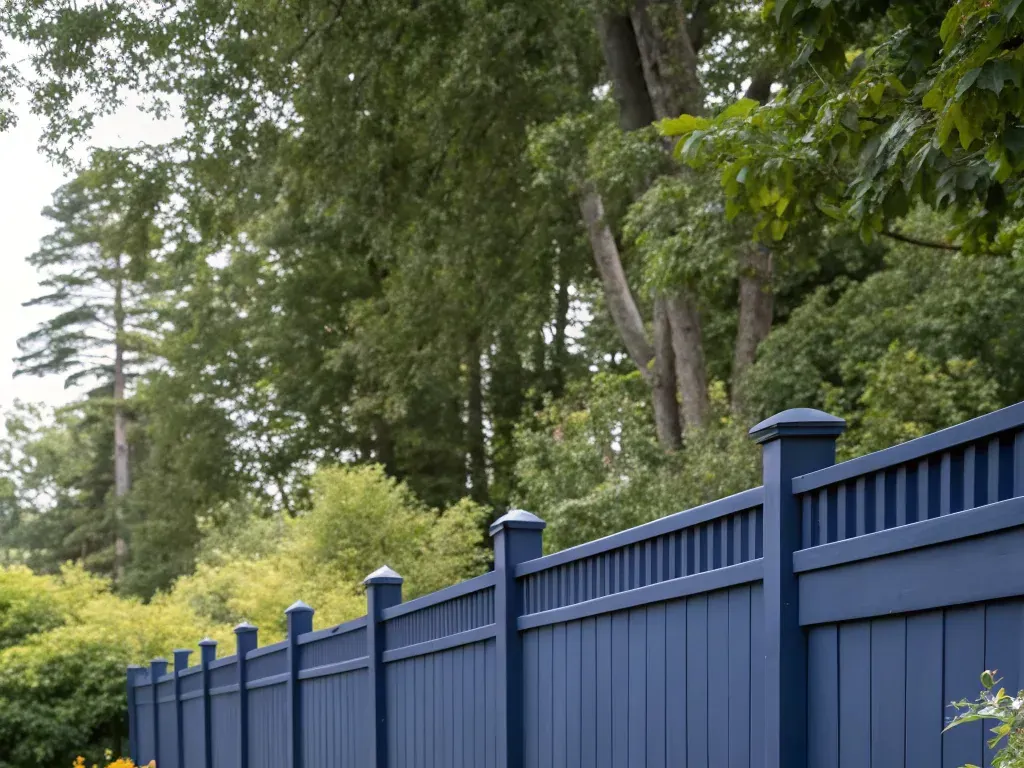
Wood and metal fences washed, prepped and coated, with scheduling that respects drying and recoat windows.
Fence painting and staining -
Front Door Painting
Wood, steel and fibreglass entry doors prepared to suit the material and sprayed to a smooth, durable exterior finish.
Front door painting in Calgary -
Residential Painting
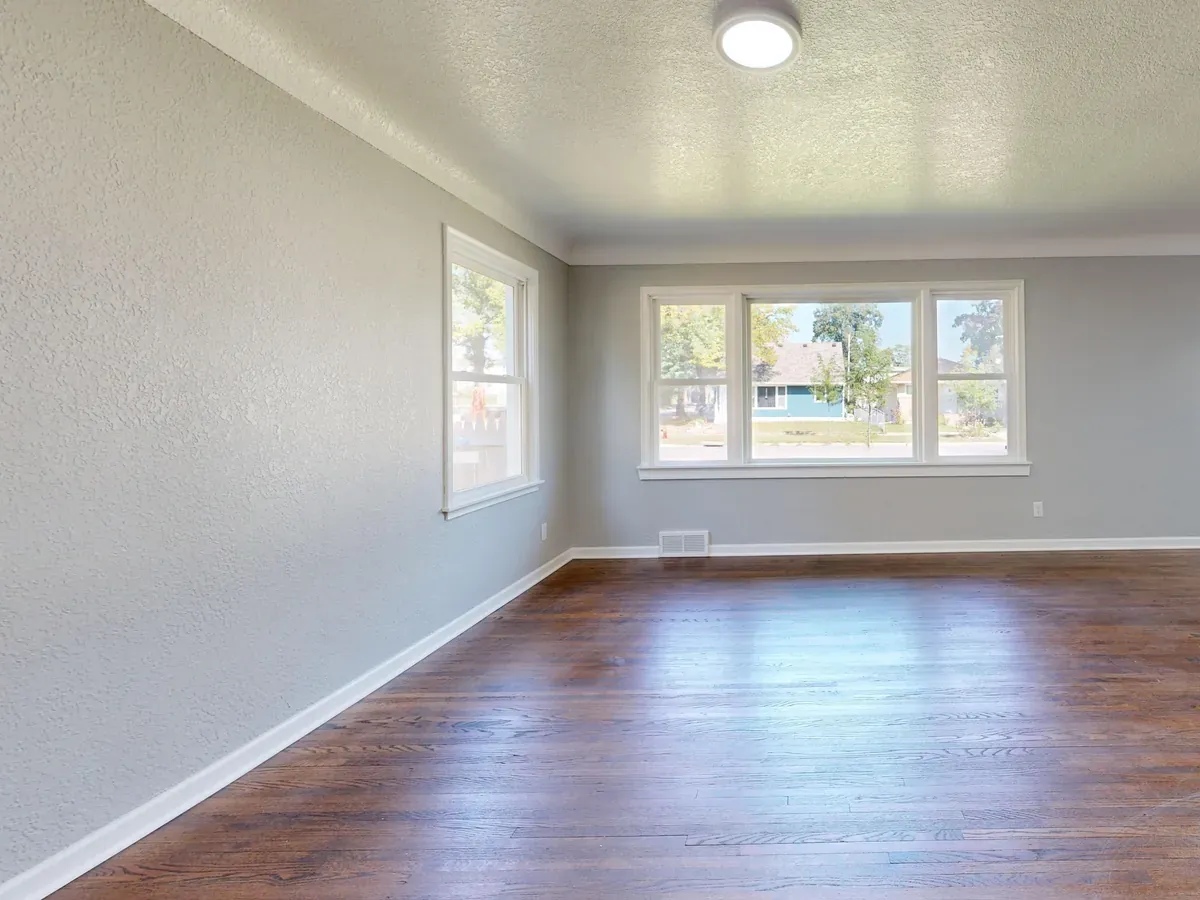
Houses, condos and townhouses — single rooms through full repaints, including move-in, pre-sale and post-renovation work.
Residential painting for Calgary homes -
Commercial Painting
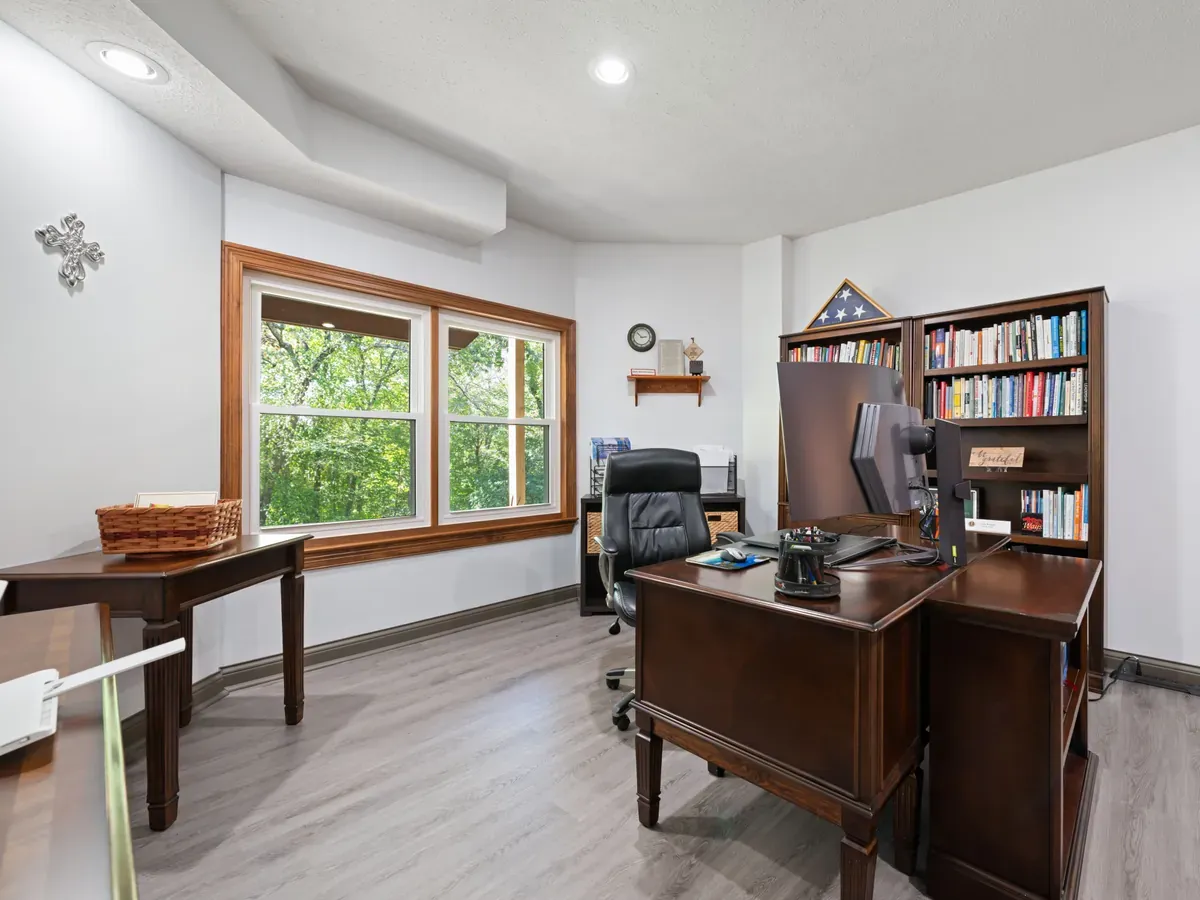
Offices, retail units, rental properties and common areas, with after-hours and weekend scheduling to limit disruption.
Commercial painting in Calgary -
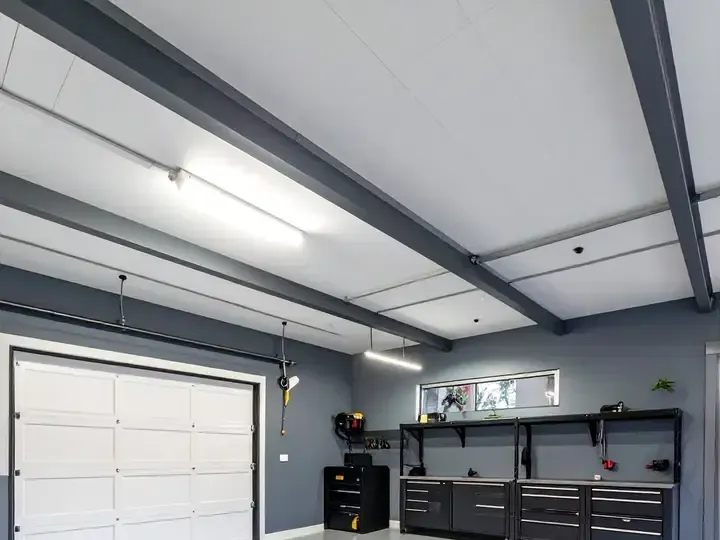
Garage Painting
Garage walls, ceilings and trim finished in durable, washable coatings that stand up to a working space.
Garage painting in Calgary -
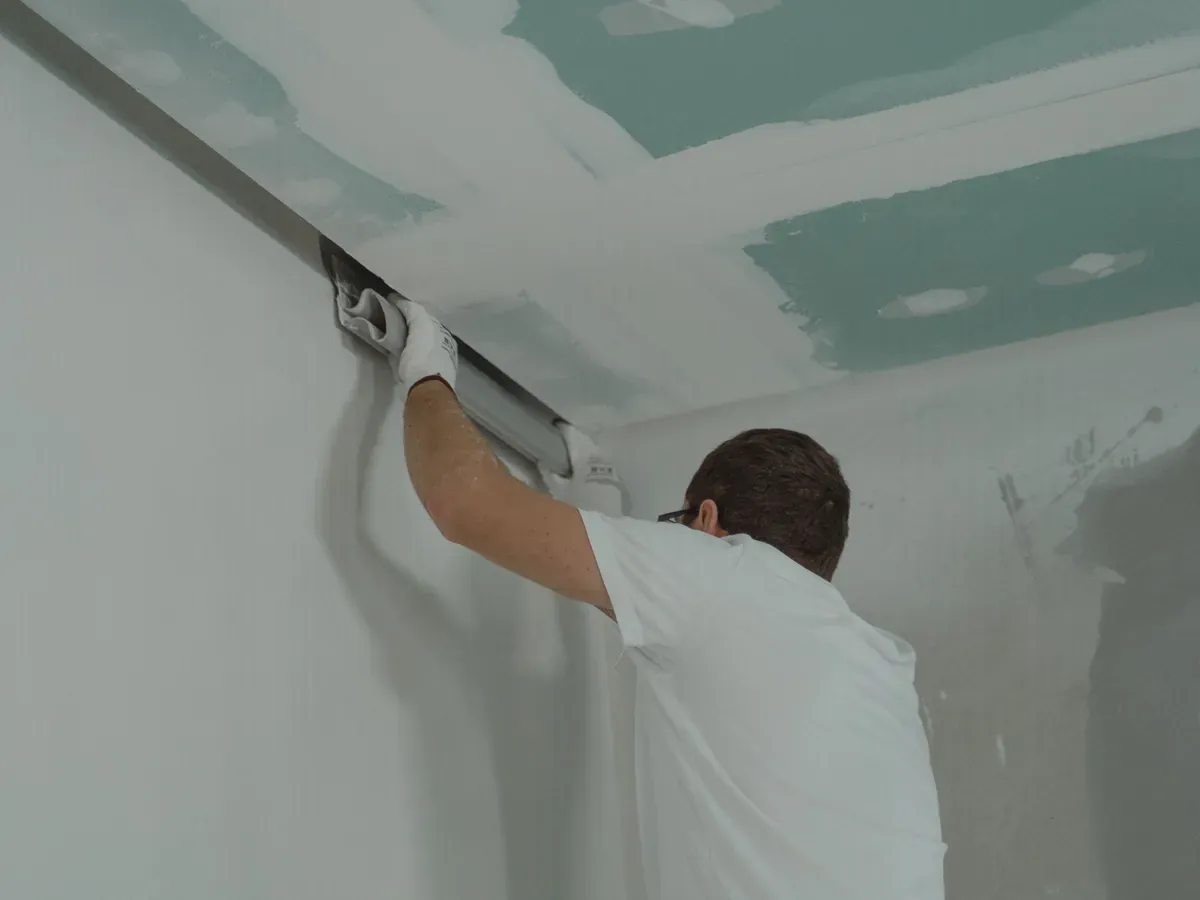
Drywall Repair
Cracks, nail pops, holes and water damage patched, sanded and blended so the finished paint has a flat surface to sit on.
Drywall repair before painting
Why work with us on this
- Testing before scraping on any pre-1990 home, without exception.
- We decline positive-result jobs rather than working outside our trade.
- Skim coating is quoted, not skipped. Scraping alone does not give you a finished ceiling.
- Containment done properly, because this is the dustiest work in a house.
- Honest comparison — we will price painting the texture as well as removing it.
Popcorn ceiling removal questions
What Calgary homeowners ask before booking, starting with the one that matters most.
Does my popcorn ceiling need to be tested for asbestos?
If your home was built before about 1990, yes — test before anyone disturbs the ceiling. Textured ceiling finishes from that era can contain asbestos, and scraping, sanding or wetting them releases fibres. Testing is inexpensive relative to the risk, and no reputable contractor should start work on an untested ceiling in a home of that age.
What happens if the test comes back positive?
It becomes licensed asbestos abatement work, not painting. Alberta regulates how asbestos-containing material is removed, contained and disposed of, and it must be handled by a qualified abatement contractor. We will not scrape a ceiling that has tested positive. In many cases the practical alternative is to leave it undisturbed and cover it — boarding over the existing ceiling avoids releasing anything.
Is wet scraping better than dry scraping?
Wet scraping is the standard approach on a tested, asbestos-free ceiling. Lightly misting the texture softens it so it comes away in sheets rather than dust, which keeps airborne particles down and makes the cleanup far more manageable. Dry scraping creates enormous amounts of fine dust and is avoided.
Does the ceiling need skim coating after removal?
Almost always. Texture hides the drywall seams, fastener heads and imperfections underneath it, and all of that is exposed the moment the texture comes off. A skim coat over the whole ceiling — sanded flat and primed — is what turns a scraped ceiling into a finished one. Quotes that omit it are not describing a finished result.
How messy is popcorn ceiling removal?
Contained, but it is the messiest interior work there is. Floors and walls are sheeted, doorways are sealed, and fixtures are removed or wrapped before anything is scraped. The scraping itself produces wet debris, and the sanding after skim coating produces very fine dust that travels if containment is not done properly.
How long does it take?
A single room is typically a few days once you account for scraping, skim coating, drying between coats, sanding and painting. A whole floor takes proportionally longer. The compound drying between skim coats sets the schedule more than the scraping does.
Can you just paint over a popcorn ceiling instead?
Sometimes, and it is worth considering. Painting a textured ceiling is far cheaper and far less disruptive than removing it, and on a sound texture it can look perfectly good. The caveats are that texture soaks up considerably more paint, and that aggressive rolling can pull loose texture off — so it needs testing on a small area first.
What affects the cost of popcorn ceiling removal?
Ceiling area first, then whether asbestos testing is needed, how much skim coating the exposed drywall requires, ceiling height and access, and whether the room is furnished or empty. Removal, skim coating and painting are quoted as separate lines so you can see what each stage costs.
Get a flat ceiling, done properly
Tell us the rooms and the age of the house. We will explain what testing is needed and what each stage costs.