Stucco Painting in Calgary
The most common exterior finish in this city, and the one that takes the most punishment. Washed, repaired and coated in products that let the wall breathe.
Get a free painting estimate
Tell us what you need and we’ll come back to you with a written, itemised quote. No obligation.
House Painters Calgary paints stucco exteriors for homeowners throughout Calgary, Alberta — washing, crack repair, caulking and coating in products chosen for freeze-thaw cycling and high-altitude UV. It is seasonal work, running roughly May to September.
Why Calgary stucco needs recoating
Stucco is the dominant exterior finish across large parts of this city, and it takes a beating here that it would not take in a milder climate. Three things work on it at once.
Freeze-thaw cycling. Stucco is porous. It absorbs moisture and releases it again, and every time water inside the surface freezes it expands. Calgary delivers a great many of those cycles, and chinooks compress several into a single week. That is what opens up hairline crazing and, eventually, lifts patches off the substrate.
High-altitude UV. The sunlight here breaks down pigment and binder faster than most people expect. South and west elevations chalk and fade years before the sheltered sides of the same house, which is why so many Calgary homes look like two different colours depending which way you approach them.
Movement. Temperature swings move the building, and stucco moves with it. A coating that cannot flex with that movement cracks along the stress lines — typically at corners of window and door openings.
A coating is what stands between all of that and the substrate. Once it has lost its film integrity, water gets in freely and the freeze-thaw cycle starts working on the stucco itself rather than on the paint.
Elastomeric or acrylic latex?
This is the decision that matters most on a stucco job, and the honest answer is that it depends on the wall in front of you rather than on which product is better.
Exterior acrylic latex
The usual choice. A quality exterior acrylic breathes well, which on a cementitious surface matters enormously — the wall needs to release moisture vapour rather than hold it. It flexes enough for normal movement, holds colour well against UV, and it is straightforward to recoat next time round.
Elastomeric coatings
Far thicker and highly flexible, applied at a much heavier film build. Their selling point is genuine: they bridge hairline cracks that an ordinary coating would simply sit in and re-crack over, which suits a wall with widespread fine crazing.
The trade-off is permeability. A thick elastomeric film is much less breathable, and on a wall that is taking on moisture from behind — a drainage problem, a failed flashing, ground contact — it traps that moisture against the substrate. Through freeze-thaw the result is blistering and spalling, and the repair is worse than the problem it was meant to solve.
Preparation on stucco
Washing, carefully. The surface has to be clean — dirt, chalking and growth on shaded elevations all prevent adhesion. But excessive pressure damages stucco and drives water into the wall, so it is washed at a pressure the substrate can take rather than blasted. It then has to dry through, which in practice often means a day or more before coating.
Crack repair. Hairline crazing can often be bridged by the coating. Anything wider needs filling with a flexible patching material suited to stucco and allowing to cure. Painting over an open crack hides it for a season, and then it reappears wider because water has been getting in behind.
Caulking and sealing. The joints where stucco meets window and door frames, and any penetration through the wall, are the routes water actually uses. Sealing those matters more to the life of the job than the finish coat does.
Priming where it is needed. Bare or patched stucco is highly absorbent and alkaline. A masonry-appropriate primer evens out that absorption so the finish coat builds consistently instead of flashing in patches.
Stucco starting to chalk or fade?
Exterior season is short here and it books up. Getting a quote early means getting the weather window you want.
How a stucco project runs
Each stage depends on the one before it being genuinely dry and genuinely sound.
-
Assessment
We walk every elevation, check for crazing, spalling and any sign of moisture from behind, and settle the product choice.
-
Washing
Cleaned at a pressure the stucco can take — enough to remove chalking and growth, not enough to damage the surface.
-
Drying
The wall dries through before anything is applied. On a heavy texture that often means a full day or more.
-
Crack repair
Wider cracks filled with a flexible patching material and left to cure; hairline crazing assessed for bridging.
-
Caulking
Joints at window and door frames and around penetrations sealed, because that is where water gets in.
-
Priming
Bare and patched areas primed to even out absorption so the finish coat builds consistently.
-
Spray and back-roll
Coating sprayed and immediately back-rolled into the texture, in two coats within the product temperature range.
Spray and back-roll
Stucco is coated by spraying and immediately back-rolling. Each half of that matters. Spraying delivers coating into the texture quickly and at a consistent build; back-rolling straight afterwards works it down into the profile so the deep parts of the texture are actually coated rather than bridged over.
Spraying alone tends to skin across the surface, leaving hollows behind the texture that fail early. Rolling alone is slow, hard to keep even across a large elevation, and struggles to reach into a heavy texture at all. The combination is what gets full coverage in the profile — and on a heavily textured wall it uses considerably more product than a flat surface of the same area, which is worth knowing when comparing quotes.
Season, timing and how often
Roughly May to September
Exterior coatings have to be applied and cured inside their stated temperature range. The overnight low is what catches people out — a pleasant afternoon that drops near freezing after dark can stop a coat forming its film properly. We will not coat stucco outside that window, and we schedule with real weather contingency rather than promising dates the sky does not agree to.
How often it needs doing
Exposure decides it far more than years do. Rather than counting, look for chalking when you wipe a hand across the wall, obvious fading on one elevation against another, hairline cracking, and anywhere the coating has released at an edge. Catching it at the chalking stage is straightforward; catching it after water has been getting in for two seasons means repair work first.
What affects the price
Quoted per property after walking every elevation. Condition moves the number more than area does.
| What we look at | Why it changes the number |
|---|---|
| Surface area and storeys | The baseline, and height changes access, staging and safe working pace. |
| Texture depth | A heavy texture holds considerably more coating than a flat wall of the same area. |
| Existing condition | Sound stucco needs washing and two coats. Widespread crazing, spalling or a failing previous coating is a different scope. |
| Crack repair required | Quoted separately, because it varies from a handful of hairlines to substantial patching. |
| Product choice | Elastomeric costs more per litre and is applied at a much heavier build than standard acrylic. |
| Access | Tight side yards, steep grades and mature landscaping against the wall all slow the work. |
| Trim and detail | Fascia, soffits, window surrounds and doors are hand work and scale separately from the wall area. |
Crack repair and any moisture remediation are shown as separate lines from coating, so you can see what is painting and what is repair. Related interior work such as drywall repair is quoted separately again.
Get a stucco painting estimate
Tell us roughly the size of the property and how the stucco is looking. Photos of any cracking or blistering help a great deal.
Explore Our Calgary Painting Services
Stucco work usually happens alongside the rest of the exterior. Here is everything we cover in Calgary.
-

Interior Painting
Walls, ceilings, trim, doors and basements painted with full masking and careful prep — including work in occupied homes.
Interior painting in Calgary -
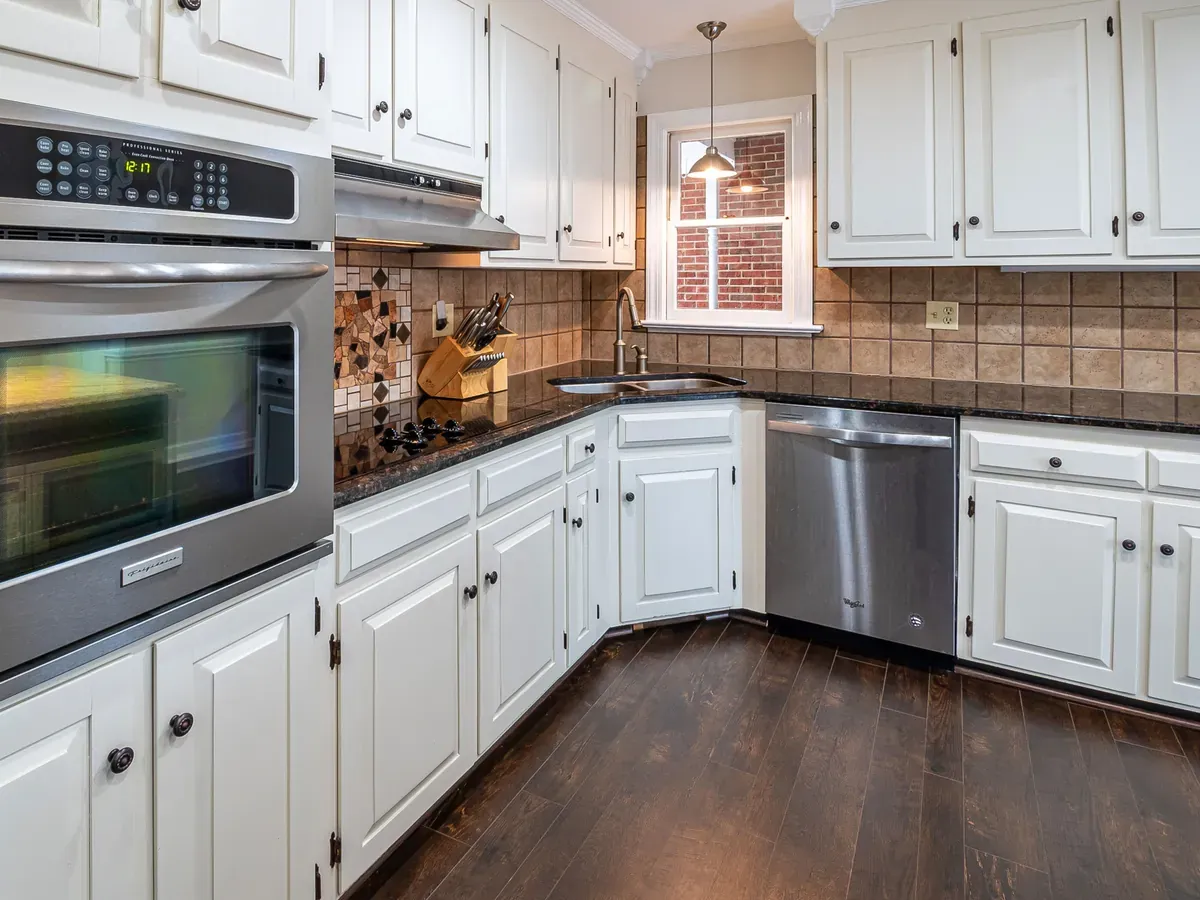
Cabinet Painting
Kitchen cabinet painting and refinishing — degreased, sanded, primed and sprayed for a hard, even factory-style finish.
Kitchen cabinet painting and refinishing -
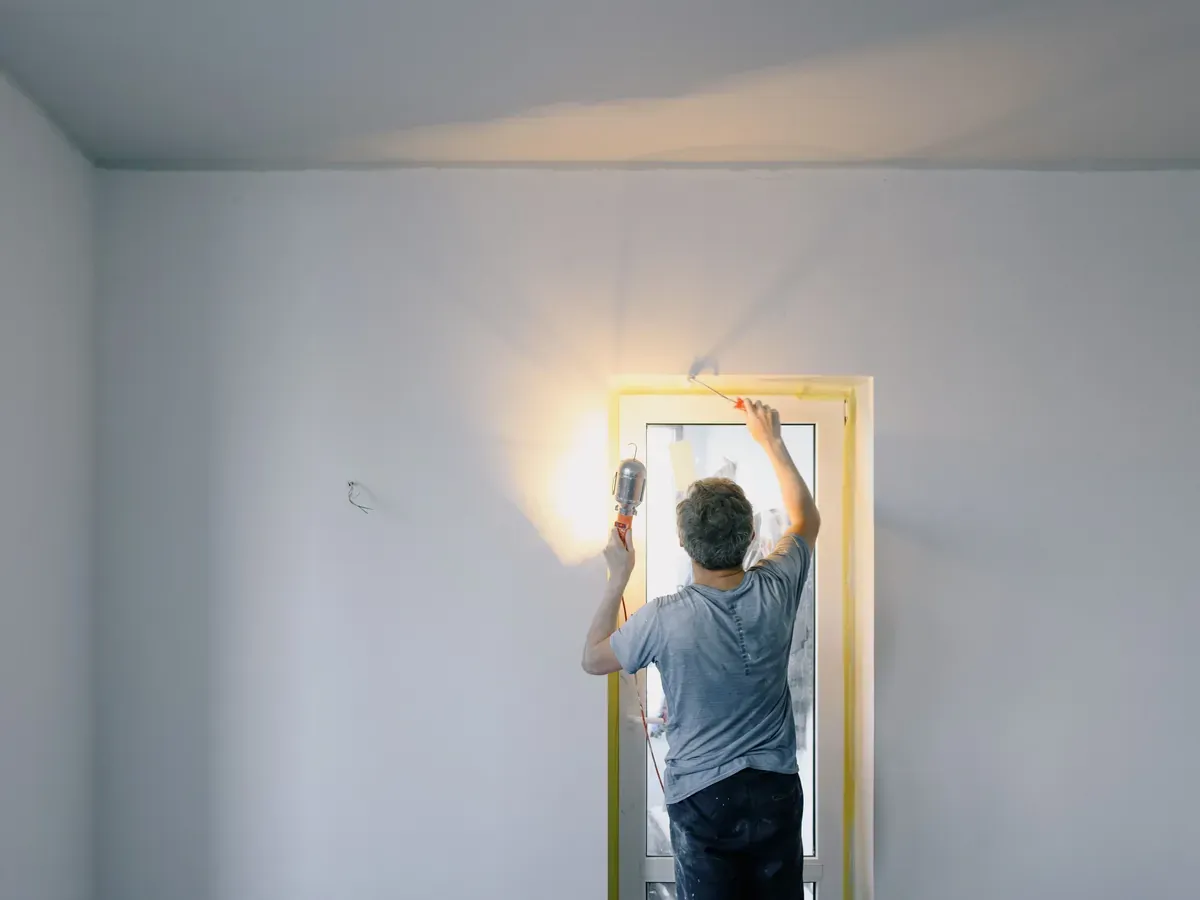
Ceiling Painting
Flat, textured and stipple ceilings repainted with stain blocking where needed, and everything below fully protected.
Ceiling painting in Calgary -
Popcorn Ceiling Removal
Textured and stipple ceilings tested, removed, skim-coated flat and repainted — with full dust containment throughout.
Popcorn ceiling removal in Calgary -
Kitchen Painting
Kitchen walls, ceilings and trim degreased and finished in scrubbable coatings built for heat, steam and daily cleaning.
Kitchen wall and ceiling painting -
Trim Painting
Baseboards, casings, door frames and crown moulding sanded, filled, caulked and finished with hand-cut lines.
Trim, baseboard and door frame painting -
Basement Painting
Finished and unfinished basements painted — walls, ceilings and trim, with colour and sheen chosen for low light.
Basement painting in Calgary -
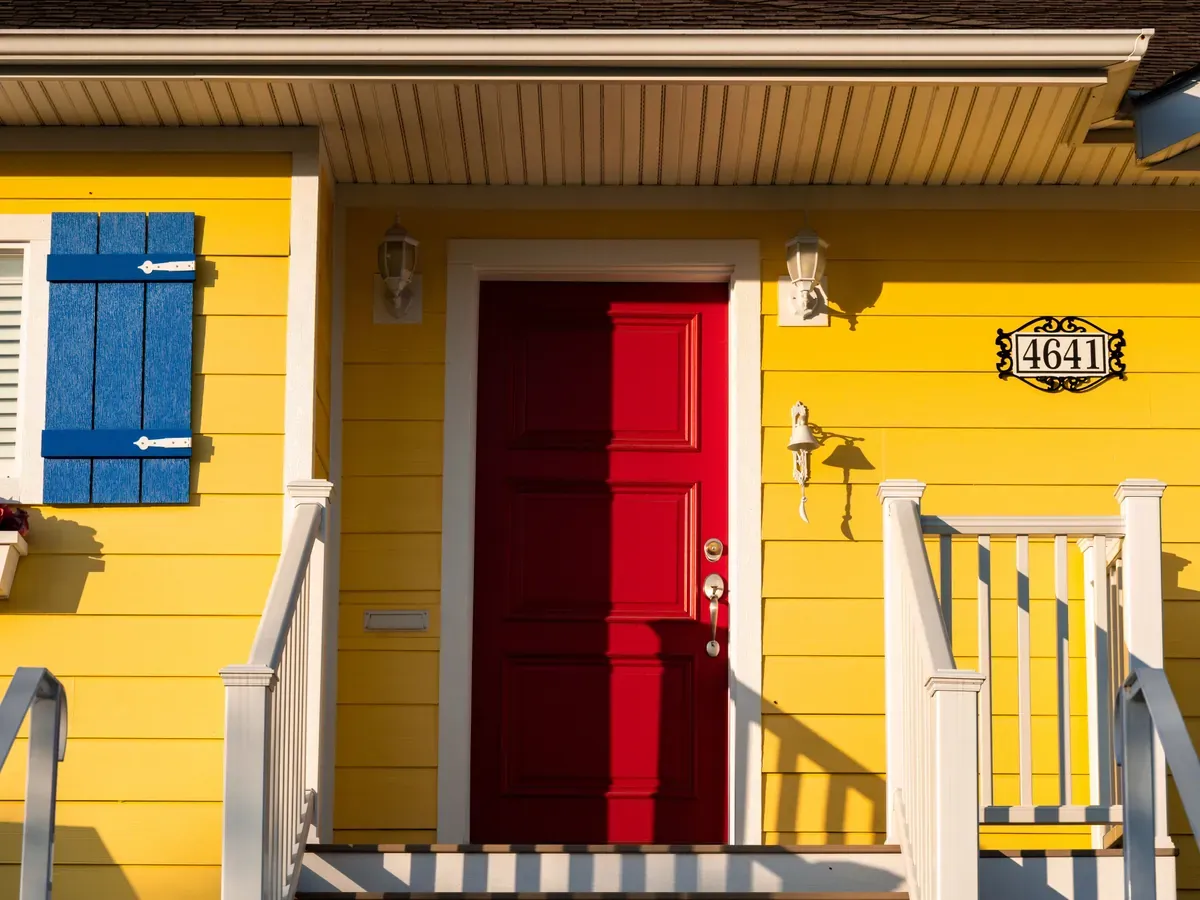
Exterior Painting
Stucco, siding, trim, fascia and doors, scheduled around Calgary weather so coatings cure the way they are meant to.
Exterior painting for Calgary homes -
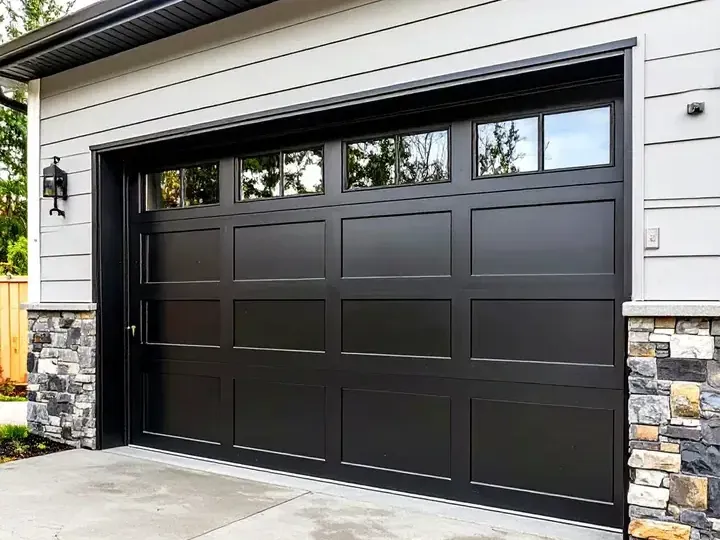
Garage Door Painting
Steel and wood garage doors degreased, sanded, primed and sprayed in a durable exterior finish built for Alberta sun and freeze-thaw.
Garage door painting in Calgary -
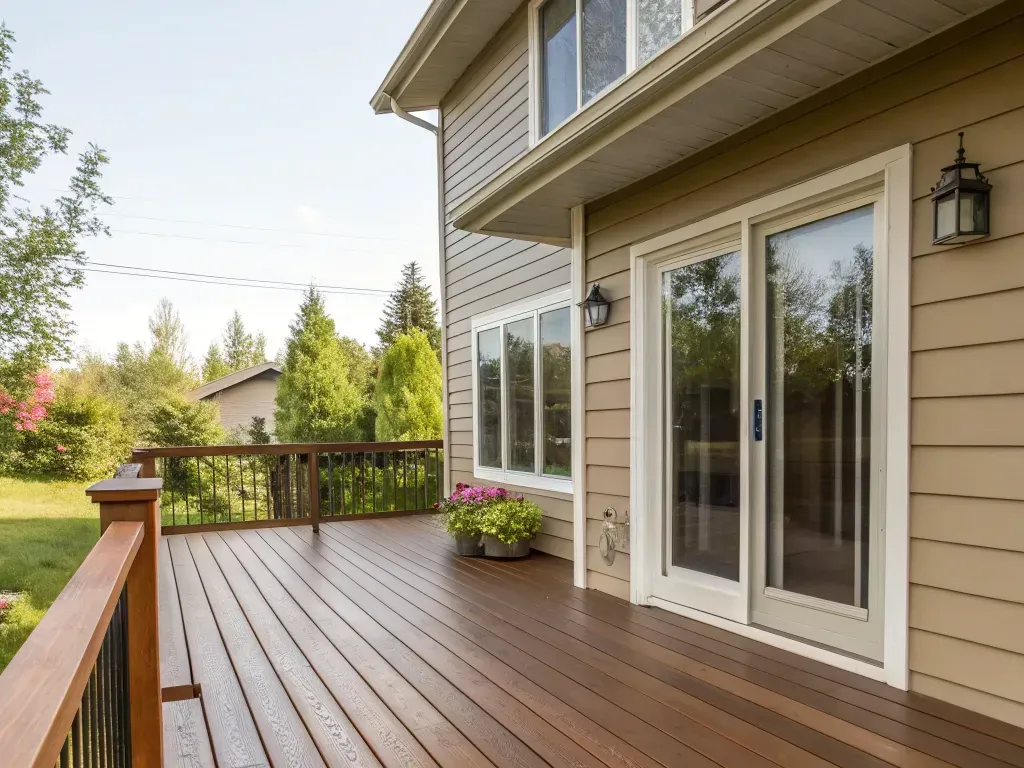
Deck Painting & Staining
Decks cleaned, sanded and refinished with stain systems chosen for Alberta sun exposure and freeze-thaw cycling.
Deck staining and refinishing -
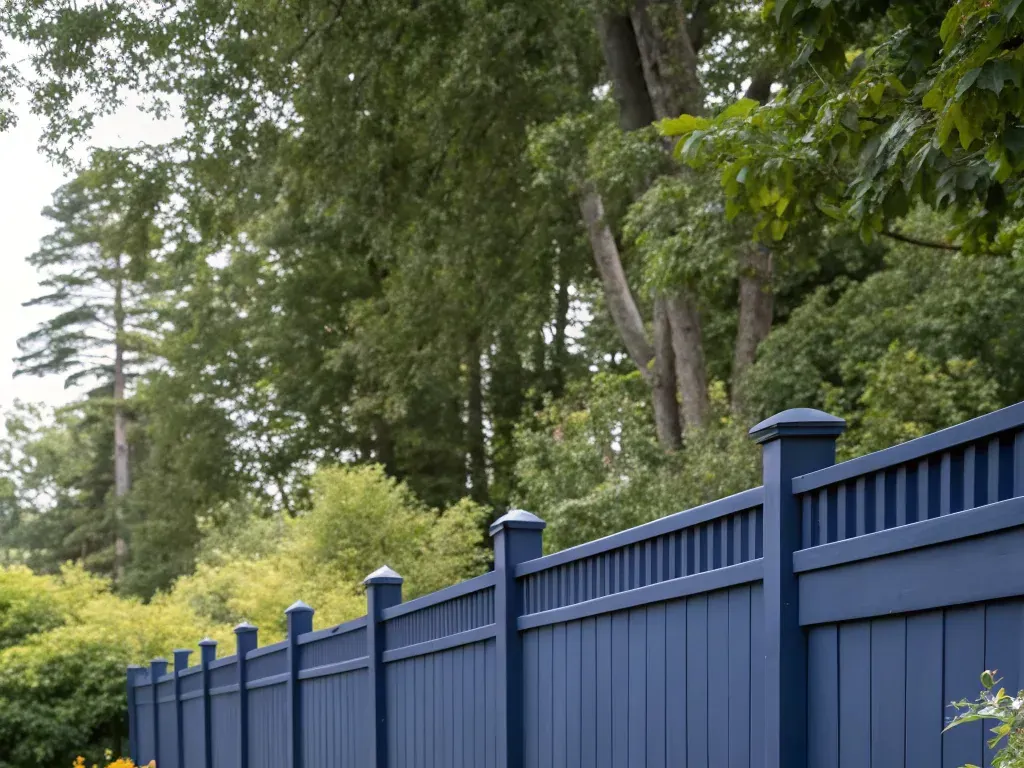
Fence Painting
Wood and metal fences washed, prepped and coated, with scheduling that respects drying and recoat windows.
Fence painting and staining -
Front Door Painting
Wood, steel and fibreglass entry doors prepared to suit the material and sprayed to a smooth, durable exterior finish.
Front door painting in Calgary -
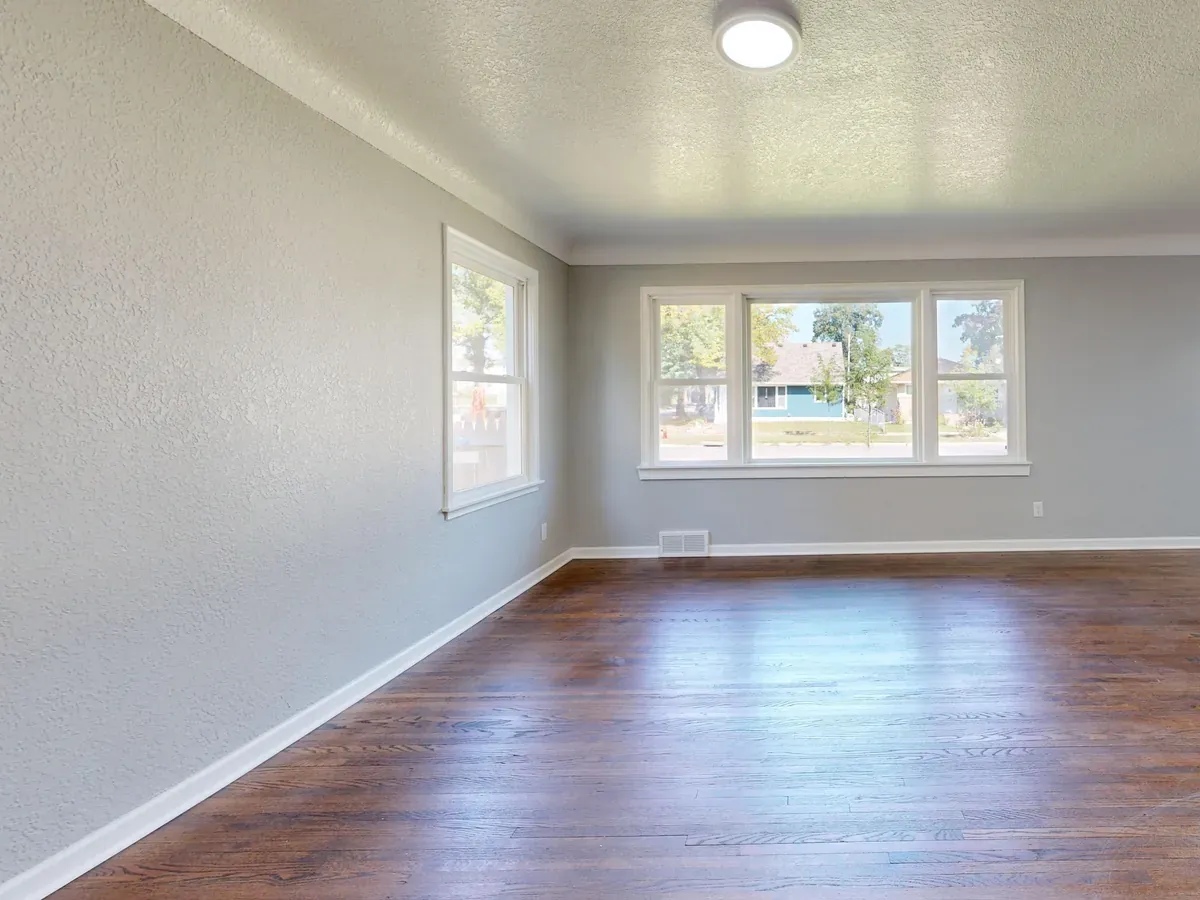
Residential Painting
Houses, condos and townhouses — single rooms through full repaints, including move-in, pre-sale and post-renovation work.
Residential painting for Calgary homes -
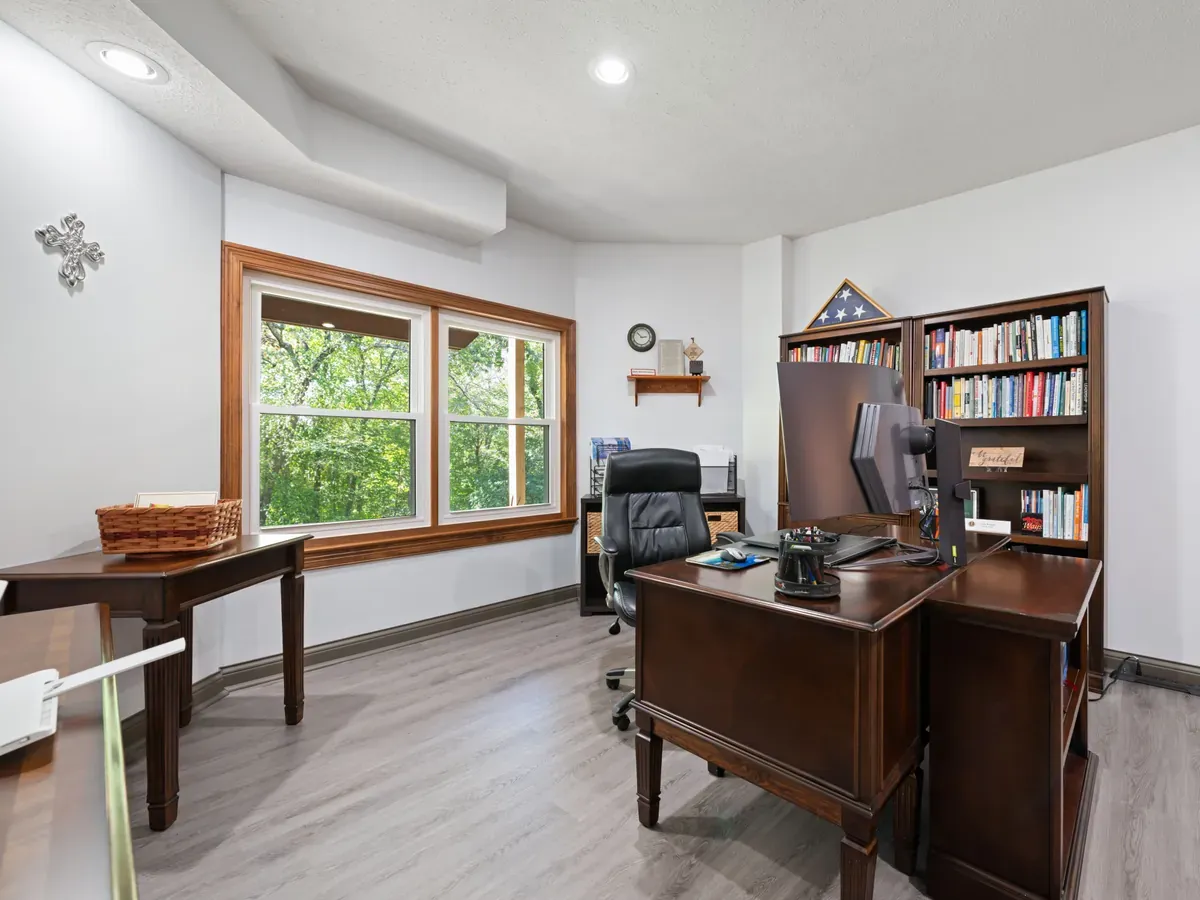
Commercial Painting
Offices, retail units, rental properties and common areas, with after-hours and weekend scheduling to limit disruption.
Commercial painting in Calgary -
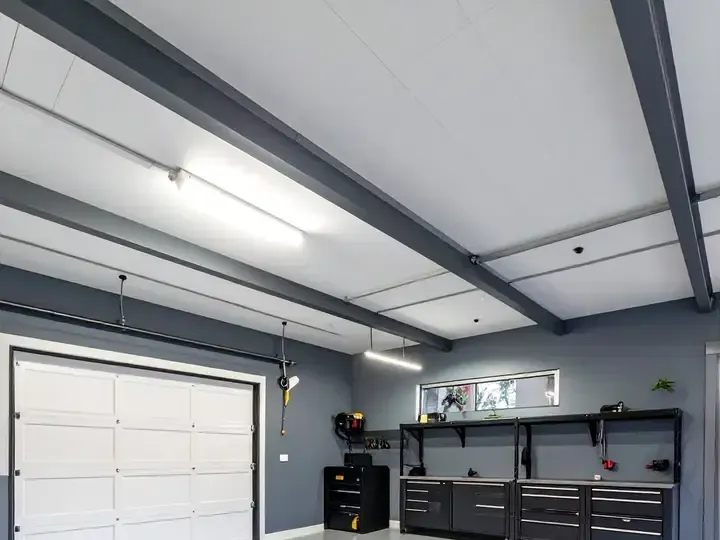
Garage Painting
Garage walls, ceilings and trim finished in durable, washable coatings that stand up to a working space.
Garage painting in Calgary -
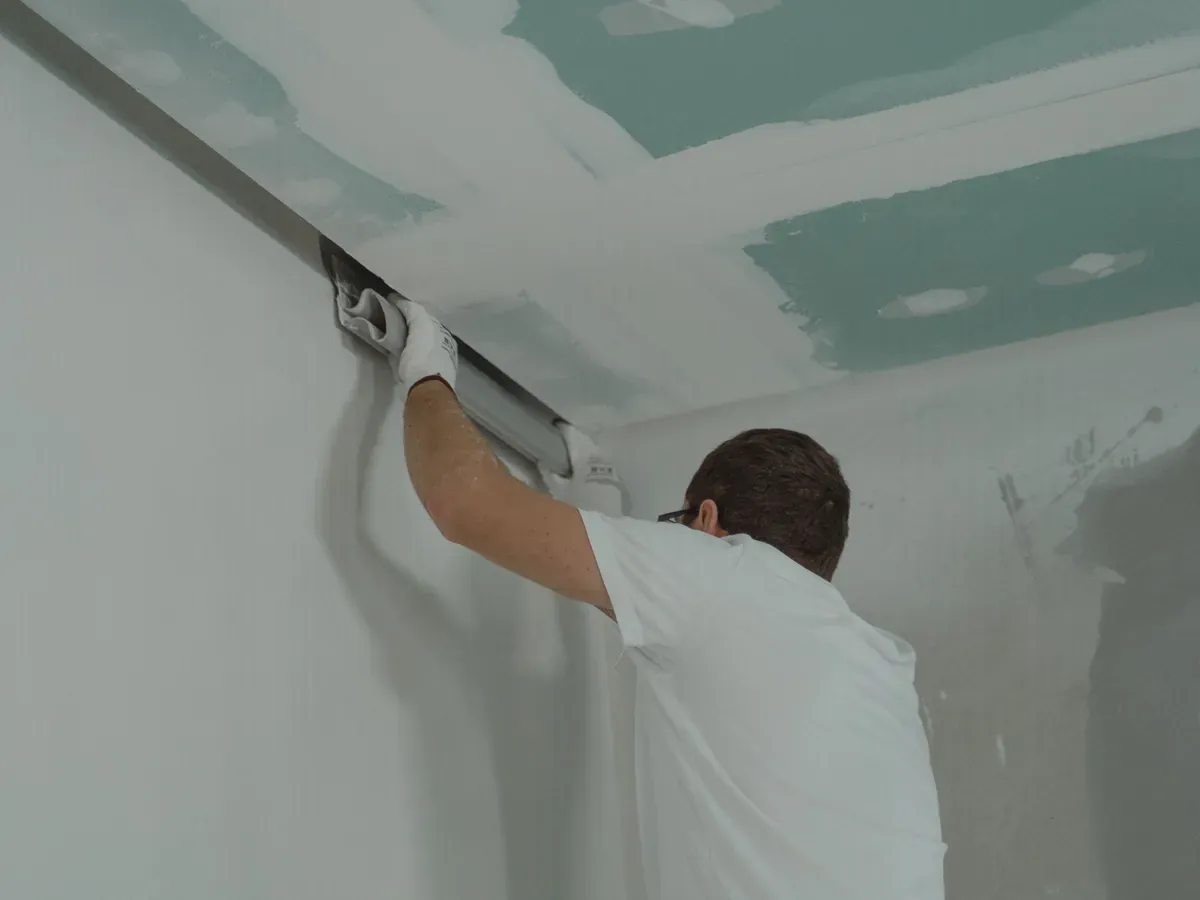
Drywall Repair
Cracks, nail pops, holes and water damage patched, sanded and blended so the finished paint has a flat surface to sit on.
Drywall repair before painting
Why work with us on stucco
- Product chosen for your wall, not a default — breathability is the decision that matters.
- Cracks repaired, not painted over.
- Sprayed and back-rolled, so the texture is coated rather than bridged.
- Washing at a pressure stucco can take, then proper drying time before coating.
- We will not coat outside the temperature window, whatever the schedule says.
Stucco painting questions
What Calgary homeowners ask before committing to an exterior repaint.
How often does stucco need repainting in Calgary?
It depends far more on exposure than on a fixed number of years. South and west elevations take the most UV and typically need attention first, sometimes well before the sheltered sides of the same house. Rather than counting years, look for chalking when you wipe a hand across the surface, uneven fading between elevations, and hairline cracking.
Should I use elastomeric or acrylic latex on stucco?
Both have a place. A quality exterior acrylic latex is the usual choice: it breathes well and lets the wall release moisture. Elastomeric coatings are much thicker and bridge hairline cracks, which suits a wall with a lot of fine crazing — but they are less permeable, so on a wall that is holding moisture they can trap it and cause worse problems than they solve. The right answer depends on the condition of your specific wall.
Why does stucco need a breathable coating?
Stucco is a cementitious surface that absorbs and releases moisture, and it moves with temperature. A coating that seals it too tightly traps water vapour behind the film. Through Calgary freeze-thaw cycling that trapped moisture expands, and the result is blistering, spalling and blown patches — usually a few winters after the job looked perfect.
Do cracks need repairing before painting stucco?
Yes. Painting over an open crack hides it for a season and then it reappears, usually wider, because water has been getting in behind the coating. Hairline crazing can often be bridged by the coating itself; anything larger needs filling with an appropriate flexible patching material and allowing to cure before coating.
Does stucco need to be power washed first?
It needs thorough cleaning, and washing is usually how that is done — but with care. Excessive pressure damages stucco and drives water into the wall. The surface then has to dry completely before any coating goes on, which in practice often means a full day or more between washing and painting.
Is stucco sprayed or rolled?
Sprayed and back-rolled. Spraying gets coating into the texture quickly and evenly; back-rolling immediately after works it into the profile so there are no holidays in the deep parts of the texture. Spraying alone tends to bridge over the texture rather than fill it, and rolling alone is slow and leaves an uneven build.
When can stucco be painted in Calgary?
Roughly May to September, and only within the coating’s stated temperature range. The overnight low matters as much as the daytime high — a mild afternoon that drops near freezing can stop a coat forming its film properly. The wall also has to be genuinely dry, which rules out the days immediately after heavy rain.
What affects the price of painting stucco?
Surface area and the number of storeys first, then the condition of the existing coating and how much crack repair is needed, the product chosen, and access — staging, tight side yards and mature landscaping against the wall all slow the work down. Repairs are quoted separately from coating.
Get your stucco booked for the season
We will walk every elevation, tell you what needs repair before coating, and put a written estimate in your hands.